

Car Ownership

Preparing Your Car for a Long Road Trip

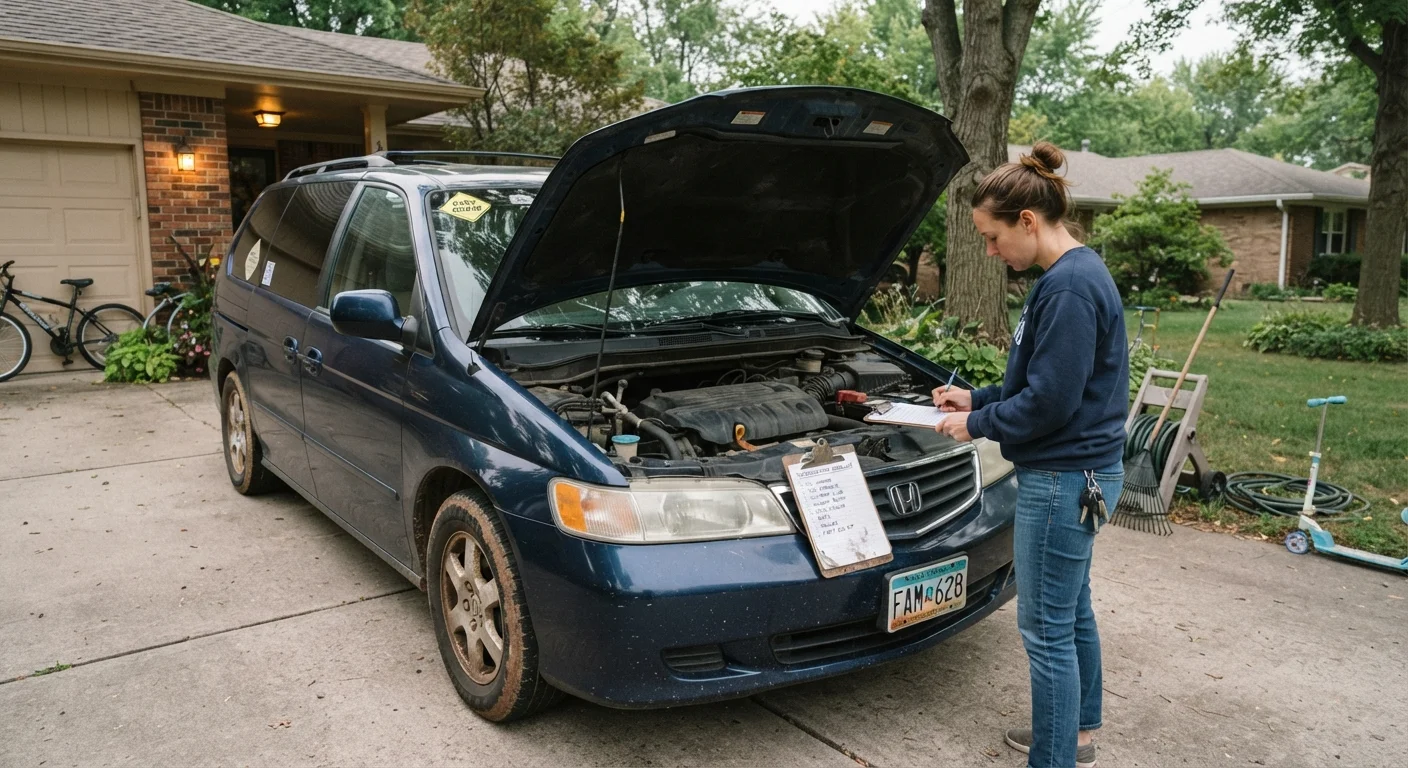
Family minivan with hood open being inspected before a long road trip

Key Takeaways

  • Tire pressure, tread depth, and condition should be checked at least 48 hours before departure.
  • Fluids — oil, coolant, brake fluid, and windshield washer — are quick checks that prevent serious failures.
  • An emergency kit and roadside assistance plan are as important as the mechanical checks themselves.
  • Most pre-trip inspections can be done at home; flag anything unusual to a qualified mechanic before you leave.
  • Skipping these checks doesn't just risk your schedule — it risks your family's safety on the road.
60–120 min

Summary

22 items · 1–2 hours

Why a Pre-Trip Car Check Isn't Optional

A long road trip puts your vehicle through far more stress than a typical commute. Sustained highway speeds, heavy loads from luggage and passengers, and extended engine run times expose weaknesses that might never surface on a short errand. The good news: most problems that sideline families on the highway are preventable with a methodical pre-departure inspection.

This checklist is designed to be worked through in your own driveway in one to two hours, ideally a few days before you leave. That gives you time to schedule a mechanic appointment if anything needs professional attention — without the pressure of a same-day departure. For a broader look at keeping your vehicle in shape year-round, visit our Car Maintenance hub.

If your trip involves kids in tow, you'll also want to coordinate with our family vacation readiness checklist, which covers car seats, documents, and everything else beyond the vehicle itself.

Don't DIY Tasks Beyond Your Skill Level

This checklist covers visual inspections and basic fluid top-offs that most drivers can handle safely. However, brake work, suspension repairs, and anything involving warning lights on your dashboard should be assessed by a qualified mechanic before you leave. Attempting repairs you're not experienced with can create safety hazards that are worse than the original problem. When in doubt, book a pre-trip inspection at a licensed shop.

What You'll Need Before You Start

Gather these tools and resources before working through the checklist. You won't need all of them for every check, but having them within reach keeps the process efficient.

Required

Tire pressure gauge

Measures PSI in each tire so you can adjust to the manufacturer's recommended pressure.

Required

Penny (for tread test)

Used to quickly gauge whether tire tread depth meets a minimum safe threshold for highway driving.

Required

Vehicle owner's manual

Provides the correct fluid specifications, tire pressure, and service intervals specific to your vehicle.

Required

Flashlight or work light

Helps you inspect tires, undercarriage, and engine bay in low-light conditions.

Optional

Fluid top-off supplies

Having the correct engine oil, coolant, brake fluid, and washer fluid on hand lets you address low levels immediately.

Required

Roadside emergency kit

Provides essential tools — jumper cables, reflective triangles, first aid — if something goes wrong on the road.

The Full Pre-Trip Checklist

Work through each group in order. Items marked must are non-negotiable safety checks. Items marked should are strongly recommended. Nice-to-have items improve comfort and preparedness but won't leave you stranded if skipped.

Tires

Check tire pressure on all four tires (and the spare) using a gauge, adjusting to the PSI listed in your owner's manual or driver's door jamb sticker — not the number on the tire sidewall. Must
Inspect tread depth using the penny test: insert a penny into the tread groove with Lincoln's head pointing down — if you can see all of his head, the tread is too worn for safe highway driving. Must
Look over each tire's sidewalls for cracks, bulges, or embedded objects that could cause a blowout at speed. Must
Confirm the spare tire is properly inflated and that the jack and lug wrench are accessible and in working condition. Should

Fluids

Check engine oil level and condition with the dipstick; if you're due for an oil change within the next 1,000 miles of your planned trip, do it before you leave. Must
Inspect coolant (antifreeze) level in the reservoir when the engine is cold; low coolant is a leading cause of highway overheating. Must
Verify brake fluid is at the appropriate level in the reservoir and appears clear or light amber — dark, murky fluid is a sign it may need attention from a mechanic. Must
Top off windshield washer fluid with a formula rated for the temperatures you'll encounter on your route. Should
Check power steering fluid and transmission fluid if your vehicle has accessible dipsticks or reservoirs for these; consult your owner's manual. Should

Brakes and Steering

Listen for any grinding, squealing, or pulsing when braking during a slow test in your driveway or neighborhood — these are signs a mechanic should inspect the brakes before the trip. Must
Note any pulling to one side when braking or steering, which can indicate alignment, tire, or brake issues requiring professional evaluation. Must
Check that the steering wheel doesn't vibrate excessively at highway speeds during a brief local test drive. Should

Lights and Visibility

Test all exterior lights — headlights (low and high beam), taillights, brake lights, turn signals, and reverse lights — replacing any burned-out bulbs before departure. Must
Clean the windshield inside and out, and inspect wiper blades for streaking or skipping; replace blades that leave smeared areas. Should
Confirm all mirrors are properly adjusted and undamaged, and clean camera lenses if your vehicle has a backup camera. Should

Emergency Kit and Documents

Pack an emergency roadside kit including jumper cables or a jump starter pack, reflective triangles or flares, a flashlight with fresh batteries, basic first-aid supplies, and a blanket. Must
Verify your vehicle registration and proof of insurance are current and stored in the car, and that your driver's license is valid. Must
Confirm your roadside assistance coverage — through your insurer, auto club membership, or automaker's program — is active and save the contact number in your phone. Should
Download offline maps for your route in case you lose cell service in rural stretches. Nice to have

Comfort and Load

Check that cargo is secured in the trunk or cargo area and that nothing obstructs the driver's rear visibility or will shift dangerously during hard braking. Must
Confirm that roof racks, cargo carriers, or trailers are properly attached and within your vehicle's rated load capacity as specified in the owner's manual. Should
Test the air conditioning and heating system on a short local drive to confirm they're functioning before you need them. Nice to have

Once you've completed these checks, cross-reference your findings with our companion article on preventing roadside headaches — it digs deeper into a few of the trickier items above. And before you finalize departure day, run through the family travel budget checklist so unexpected repair costs don't derail your trip finances.

Check Engine Light? Don't Ignore It Before a Long Drive

If your check engine light is on, have the vehicle scanned for fault codes before departure — many auto parts stores will read codes at no charge. Some causes are minor; others, like a failing catalytic converter or cooling system sensor, can lead to a breakdown on the road. A lit check engine light is your car's way of asking for attention. Heading out without investigating it is a gamble not worth taking on a family trip.

Car Ownership Editorial Team is the collective byline for our editorial team and contributor network. Articles published under this byline or an editorial pen name are researched, written, and reviewed according to our editorial standards for clarity, consistency, and independence before publication.

View all articles by Car Ownership Editorial Team →
Disclaimer: The content provided on our blog site traverses numerous categories, offering readers valuable and practical information. Readers can use the editorial team’s research and data to gain more insights into their topics of interest. However, they are requested not to treat the articles as conclusive. The website team cannot be held responsible for differences in data or inaccuracies found across other platforms. Please also note that the site might also miss out on various schemes and offers available that the readers may find more beneficial than the ones we cover.