

Key Takeaways
- Researching local customs before arrival helps families avoid unintentional disrespect and builds cultural awareness in children.
- Choosing locally owned accommodations and eateries keeps more travel spending within destination communities.
- Wildlife encounters should follow established guidelines - approaching or feeding wild animals causes real harm.
- Sustainable travel habits taught early tend to become lifelong values for children.
- Reducing single-use plastics and respecting natural sites protects the destinations families love most.
Why Responsible Travel Matters for Families
Family travel does more than create memories - it shapes how kids understand the world. Destinations absorb real costs when visitors ignore local norms, damage ecosystems, or concentrate spending inside international chains rather than local businesses. The good news is that families are well-positioned to travel thoughtfully, because children tend to internalize habits formed during travel more readily than adults might expect.
This isn't about perfection or guilt. It's about making small, deliberate choices that add up across a trip. The practices below are straightforward to implement, don't require extra spending, and often lead to richer, more authentic experiences than the tourist-trail alternative. For a broader foundation, see our guide to family travel on a budget - many sustainable choices also happen to be cost-effective ones.
Best Practices for Sustainable and Respectful Family Travel
The following practices are grounded in widely accepted principles of responsible tourism. They apply whether your family is road-tripping domestically or visiting an international destination.
Research destination-specific customs and norms before you arrive.
What's acceptable behavior varies significantly by culture and community. Arriving unprepared risks causing unintentional offense - and misses a genuine opportunity to engage respectfully. Pre-trip research also gives children concrete, meaningful context for what they'll encounter.
Prioritize locally owned accommodations, restaurants, and tour operators.
Spending at locally owned businesses keeps a larger share of tourist dollars within the destination community. Large international operators often route profits out of the region, while independent operators reinvest locally in wages, goods, and community services.
Follow established wildlife guidelines without exception.
Feeding, approaching, or disturbing wildlife disrupts natural behaviors, can habituate animals to humans in ways that endanger them, and may expose your family to safety risks. Many popular destinations have strict rules because well-meaning visitors have caused documented harm.
Reduce single-use plastic consumption throughout the trip.
Plastic waste is a significant environmental problem in many popular destinations, particularly coastal and island areas. Families can meaningfully reduce their contribution with minimal inconvenience by packing reusables.
Stay on marked trails and observe posted rules at natural sites.
Trails exist to concentrate foot traffic and protect fragile ecosystems on either side. Off-trail walking compacts soil, damages root systems, and can destroy plant communities that take decades to recover. Rules at natural sites are conservation tools, not inconveniences.
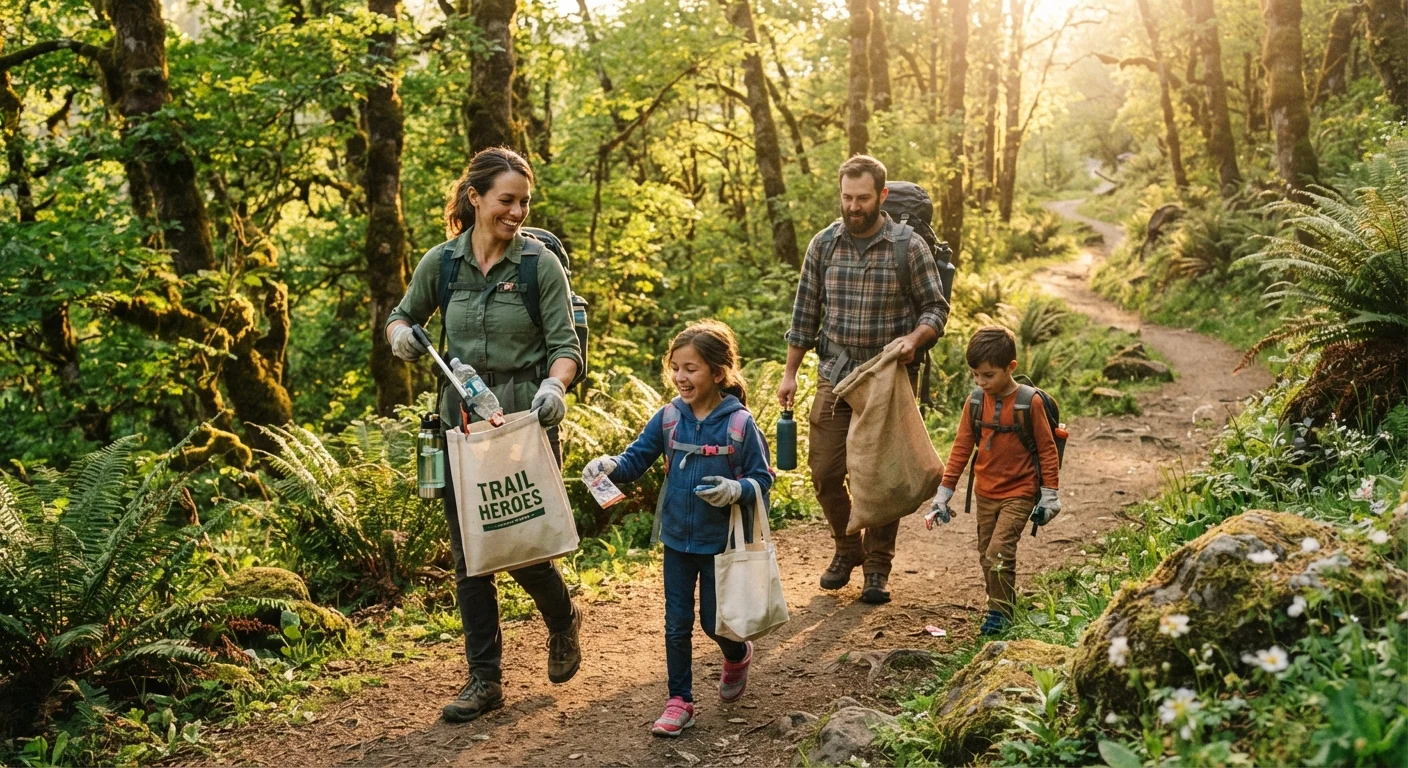
Involve children in leave-no-trace habits from the start.
When children actively participate in responsible behavior - packing out their own trash, choosing lower-impact options - they develop a sense of stewardship rather than passive compliance. Habits formed during formative travel experiences tend to carry forward.
Putting It Into Practice Before, During, and After the Trip
Sustainable travel isn't a checklist you complete at the destination - it starts at home. Before you leave, research the cultural expectations of where you're headed: dress codes at religious sites, tipping customs, rules around photography of locals, and any wildlife-protection guidelines. Involve kids in this research; it builds investment in the journey and sets behavioral expectations clearly.
During the trip, narrate your choices aloud for younger children. Explaining why you're eating at a family-run restaurant rather than a familiar chain, or why you're staying on the marked trail, teaches the reasoning behind the behavior - not just the rule. This is what converts a single trip into a lasting value.
After returning, encourage kids to reflect on what they noticed. What was different about how people live? What did they learn? What would they do differently next time? This kind of debrief deepens the experience and cements the habits. For families building longer-term travel plans, our trip planning hub covers how to structure trips that are both logistically sound and aligned with your family's values.