

Key Takeaways
- Always request a written estimate before authorizing any repair work.
- Ask the mechanic to show you the problem and explain it in plain language.
- Get clarity on which repairs are urgent versus which can safely wait.
- Keep your own service records to cross-reference what shops recommend.
- A second opinion on major repairs is reasonable and often worthwhile.
What you will need
Why the Repair Shop Dynamic Can Feel Unequal
Most of us walk into an auto repair shop knowing far less about what's happening under the hood than the person across the counter does. That knowledge gap is real, and it can make it easy for shops - even well-meaning ones - to recommend services that aren't urgent, use shorthand that obscures what's actually being done, or present a padded estimate with little pushback expected.
This isn't about assuming mechanics are dishonest. The majority of repair professionals are doing honest work. But the combination of technical complexity, time pressure, and unfamiliar jargon can leave even financially savvy car owners feeling like they're at a disadvantage. The good news: a handful of specific habits and questions can level that playing field significantly.
Before you even pull into the bay, it helps to know your vehicle's service history and what your manufacturer actually recommends. Reading your owner's manual maintenance sections is one of the most underused tools available to everyday drivers. And if you're trying to separate real maintenance needs from persistent myths, our piece on vehicle maintenance myths is worth reading before your next service visit.
Owner's Manual
Confirms your vehicle's manufacturer-recommended service intervals so you can compare them against shop suggestions.
Service History Log
Documents past repairs and maintenance so you can identify duplicate or premature recommendations.
Notepad or Phone
Used to write down the mechanic's explanations, part names, and any codes pulled from the vehicle.
OBD-II Scanner (basic)
Allows you to read diagnostic trouble codes yourself before visiting the shop so you arrive with context.
How to Prepare Before You Go
Preparation before you arrive at the shop changes how the entire interaction unfolds. Gather your service records, note your current mileage, and write down your symptoms in plain language. If your check engine light is on, an inexpensive OBD-II scanner - available at many auto parts stores - can give you the diagnostic trouble code before the shop charges you to retrieve it. Knowing the code doesn't mean you can diagnose the root cause yourself, but it gives you a starting point for the conversation.
What you will need
Bring Your Maintenance Records
Walking in with a log of recent services - oil changes, tire rotations, fluid flushes - gives you a concrete baseline to compare against what the shop recommends. It also signals to the mechanic that you're an informed customer, which can shift the dynamic in your favor. If you don't have records yet, start keeping them after this visit.
Step-by-Step: Getting the Answers You Need
Never Authorize Work Without a Written Estimate
Most US states require repair shops to provide a written estimate before starting work if the cost will exceed a certain threshold. Verbally agreeing to repairs without written documentation leaves you with little recourse if the final bill differs significantly. Always ask for the estimate in writing and confirm what authorization you're signing before leaving your vehicle.
Describe the Problem Specifically Before the Shop Diagnoses Anything
When you drop off your vehicle, describe the symptom as precisely as you can: when it happens, how often, under what conditions (cold start, highway speed, turning, braking), and how long it's been occurring. Vague descriptions like "it's making a noise" give the shop little to work with and may lead to a broader - and more expensive - diagnostic sweep.
Write your description down and hand it to the service adviser so there's no miscommunication between the front desk and the technician working on your car.
Ask What the Diagnostic Process Will Cost and What It Covers
Many shops charge a diagnostic fee - often ranging from $75 to $150, though this varies - to identify the root cause of a problem. Ask upfront whether that fee will be applied toward the repair cost if you proceed, and whether it covers the full investigation or just an initial scan.
Understanding what you're paying for at the diagnostic stage prevents sticker shock when the estimate arrives and clarifies what you're committing to before any work begins.
Request a Written Estimate Itemized by Part and Labor
A trustworthy estimate breaks down the cost of each part separately from the labor hours required to install it. This lets you verify whether the parts are priced at a reasonable market rate and whether the labor time seems appropriate for the job. Ask specifically whether the parts quoted are OEM (original equipment manufacturer), aftermarket, or remanufactured, since each carries different cost and quality implications.
If the shop resists itemizing, that's worth noting. You have every right to understand what you're paying for.
Ask to See the Problem Yourself
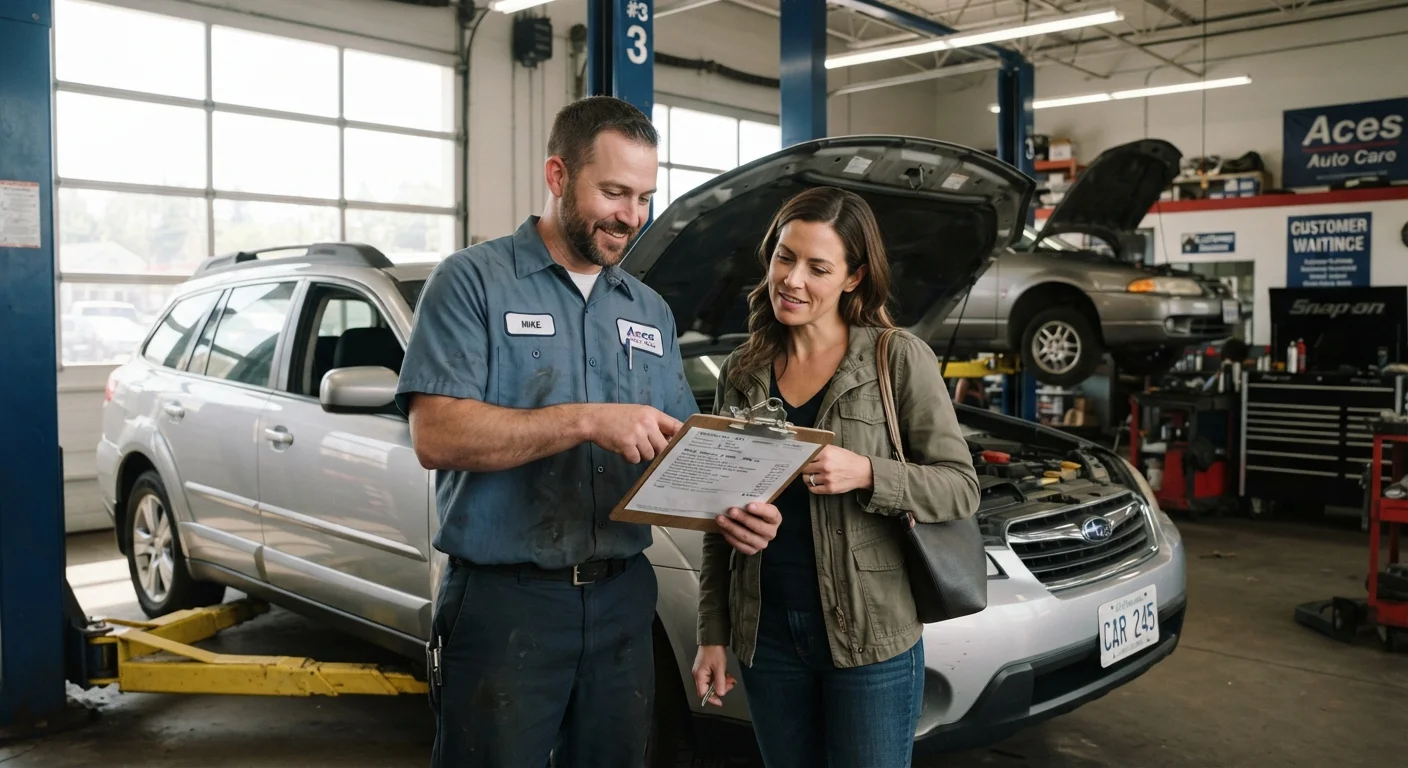
For any repair that isn't purely software- or sensor-based, ask the technician to show you the issue - a worn brake pad, a cracked belt, a leaking gasket - before authorizing work. Reputable shops will accommodate this request. Seeing the problem firsthand removes ambiguity and gives you confidence that the repair is real and necessary.
If you can't be physically present, ask whether they can send a photo or video. Many shops now offer this as a standard part of their communication process.
Separate Urgent Repairs from Items That Can Wait
Ask the mechanic directly: "Which of these repairs affect safety or will cause further damage if I wait, and which can I reasonably defer?" A straightforward answer to this question tells you a lot about the shop's approach. Safety-critical issues - brake failure, steering components, active fluid leaks - should be prioritized. Cosmetic issues or maintenance items that aren't yet due can often wait.
Understanding this distinction also helps you budget more effectively, rather than feeling pressured to handle everything in one visit. For a broader look at managing costs over time, see our guide on keeping maintenance costs under control.
Get a Second Opinion on High-Cost Repairs
For repairs estimated above a few hundred dollars - or whenever something feels off - it's entirely reasonable to take your written estimate to a second shop for comparison. Tell the second shop what you were quoted and ask them to evaluate the same issue independently. You don't need to explain yourself; this is a normal part of being a responsible consumer.
Keep in mind that significant price differences may reflect part quality, labor rate differences between shop types (dealership vs. independent), or a genuine discrepancy worth investigating. Our overview of DIY vs. professional repairs can also help you assess which jobs warrant shop involvement at all.
After the Repair: What to Review Before You Drive Away
Before you leave the shop, ask for the completed repair order - a document that lists everything done, every part installed (including part numbers where possible), and the final labor breakdown. Compare it against the written estimate you approved. If there are line items that weren't on the original estimate, ask the service adviser to explain each addition before you pay.
Also confirm whether any replaced parts come with a warranty, and what the terms are - some shops offer 12-month or 12,000-mile guarantees on parts and labor, while others offer less. Get the warranty terms in writing.
Finally, add this visit to your running service history log. If you're thinking ahead about your vehicle's long-term value - especially if a trade-in or sale is on the horizon - a complete, documented service history matters more than most drivers realize. Our pre-sale financial checklist covers how service records factor into that decision.
Watch Out for Vague or Pressured Upsells
If a shop recommends several additional repairs during a routine visit, ask for each issue to be documented separately with its own explanation and urgency level. Pressure to approve everything on the spot is a red flag. Legitimate shops will give you time to consider non-urgent items and won't penalize you for asking questions.