

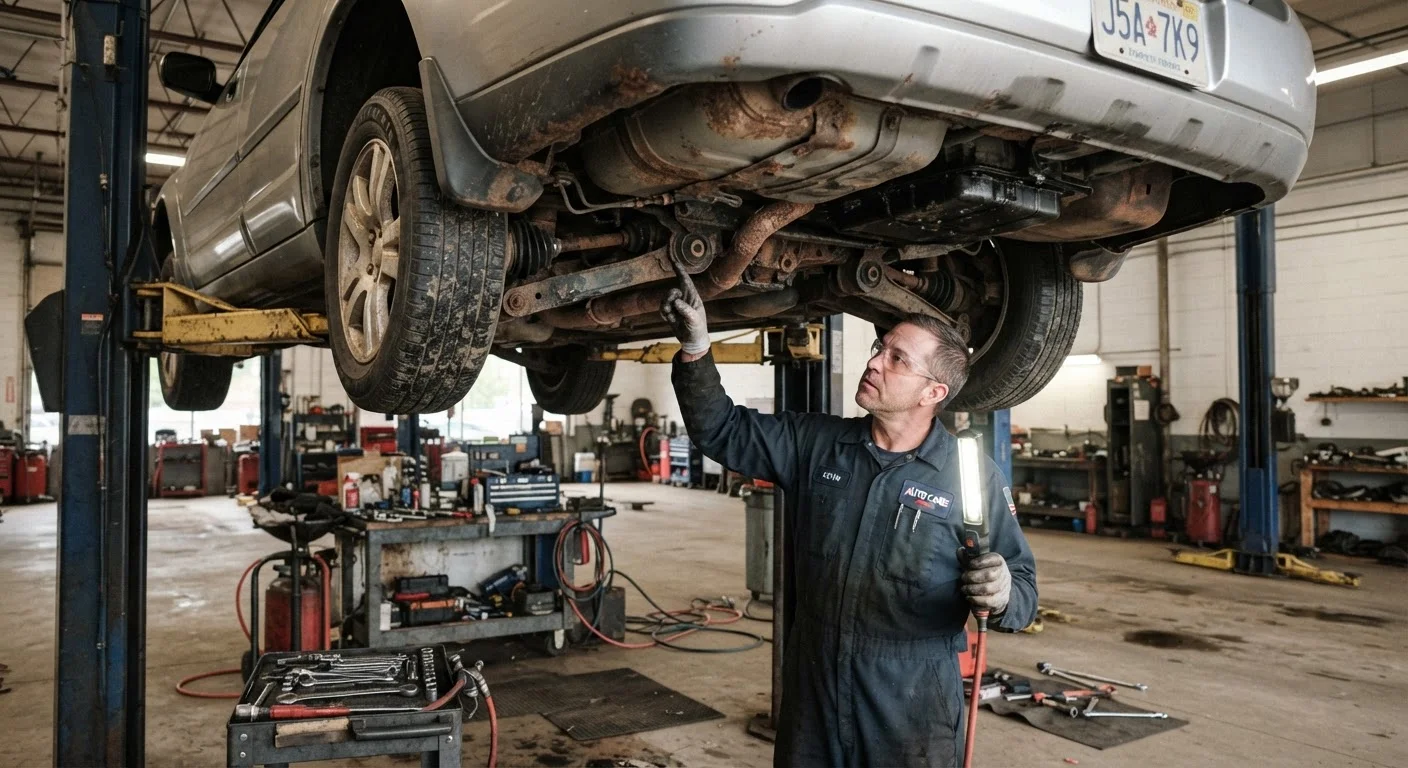
Key Takeaways
- Skipping oil changes is one of the fastest ways to cause irreversible engine damage.
- Many major repair bills trace directly back to ignored warning lights or deferred service.
- Consistent preventive maintenance almost always costs less than emergency repairs.
- Your owner's manual-not habit or rumor-should set your service intervals.
- Small maintenance gaps compound over time, much like unpaid debt.
Why Deferred Maintenance Costs More Than You Think
Skipping a single oil change or pushing past a recommended service interval rarely feels risky in the moment. The car still starts, the ride still feels normal, and the savings seem easy to pocket. But vehicle maintenance doesn't work like a light switch-problems don't appear immediately when care lapses. They build quietly, and by the time something breaks, the underlying damage is often already done.
Think of it like neglected home upkeep. A missing roof shingle costs very little to replace; a rotted roof deck costs thousands. The same principle applies under your hood. Scheduling service consistently and reading your owner's manual are among the most effective cost-control tools available to any driver. And if you're weighing what coverage protects you when things do go wrong, understanding what extended warranties actually cover is worth a close look before assuming you're protected.
$1,200+
Average unexpected repair cost from deferred maintenance
AAA research has found that vehicle owners who skip routine maintenance face significantly higher unplanned repair costs compared to those who follow recommended service schedules.
35%
Of vehicles on the road with low or degraded engine oil
Periodic vehicle inspection surveys have consistently found a substantial share of cars operating with oil that is overdue for a change or critically low, increasing engine wear risk.
The Most Costly Maintenance Mistakes Family Drivers Make
Most deferred-maintenance failures follow predictable patterns. Below are the mistakes that consistently lead to the largest repair bills-and the reasoning that tends to lead drivers there.
Delaying oil changes past the manufacturer's recommended interval.
Why it happens: Oil changes feel optional when the car seems to run fine, and the cost-even a modest one-is easy to defer when budgets are tight.
Ignoring warning lights and dashboard alerts for weeks or months.
Why it happens: Warning lights sometimes appear and disappear, leading drivers to assume the issue resolved itself or isn't serious.
Skipping tire rotations and pressure checks.
Why it happens: Tire maintenance feels invisible-tires look the same whether they're properly rotated or not-making it easy to skip at service appointments to save time or money.
Neglecting coolant and transmission fluid changes.
Why it happens: These fluids aren't checked at every oil change, so they fall off most drivers' radar entirely until a problem surfaces.
Putting off brake inspections until brakes are audibly worn.
Why it happens: Squealing brakes are the signal most drivers wait for, but by that point pad material is often fully depleted and rotors may already be scored.
DIY Maintenance Has Real Limits
Some routine tasks-checking tire pressure, replacing cabin air filters, topping off windshield fluid-are straightforward for most drivers. But brake work, transmission service, and anything involving the fuel or cooling system carries real safety risk if done incorrectly. When in doubt, have a qualified mechanic perform or verify the work rather than risk a more expensive failure or a safety hazard.
For a full breakdown of what each service interval involves and when it's due, see your car's maintenance schedule explained. And if you've been following rules of thumb like the 3,000-mile oil change, it's worth checking which maintenance myths are actually costing you money before your next service visit.
The Financial Case for Staying on Schedule
Preventive maintenance is one of the clearest examples of spending a small amount now to avoid a much larger expense later. A standard oil change at a shop typically runs $50-$100 depending on oil type and vehicle. An engine replacement caused by oil starvation can exceed $4,000-$8,000 or more-sometimes totaling the vehicle entirely. That ratio holds across almost every service category: coolant flushes versus blown head gaskets, brake pad replacements versus rotor and caliper damage, tire rotations versus premature tread wear and blowouts.
The true cost of vehicle ownership includes not just fuel and insurance, but the cumulative effect of how consistently a car is maintained. Drivers who treat the maintenance schedule as optional typically face steeper repair costs in years three through seven of ownership, when deferred work compounds into system failures. Budgeting for routine service as a fixed monthly expense-rather than an unexpected bill-makes it far easier to stay on track.
This article is for general informational purposes only. Repair costs vary widely by vehicle make, model, age, and region. Consult a qualified mechanic for guidance specific to your vehicle.