

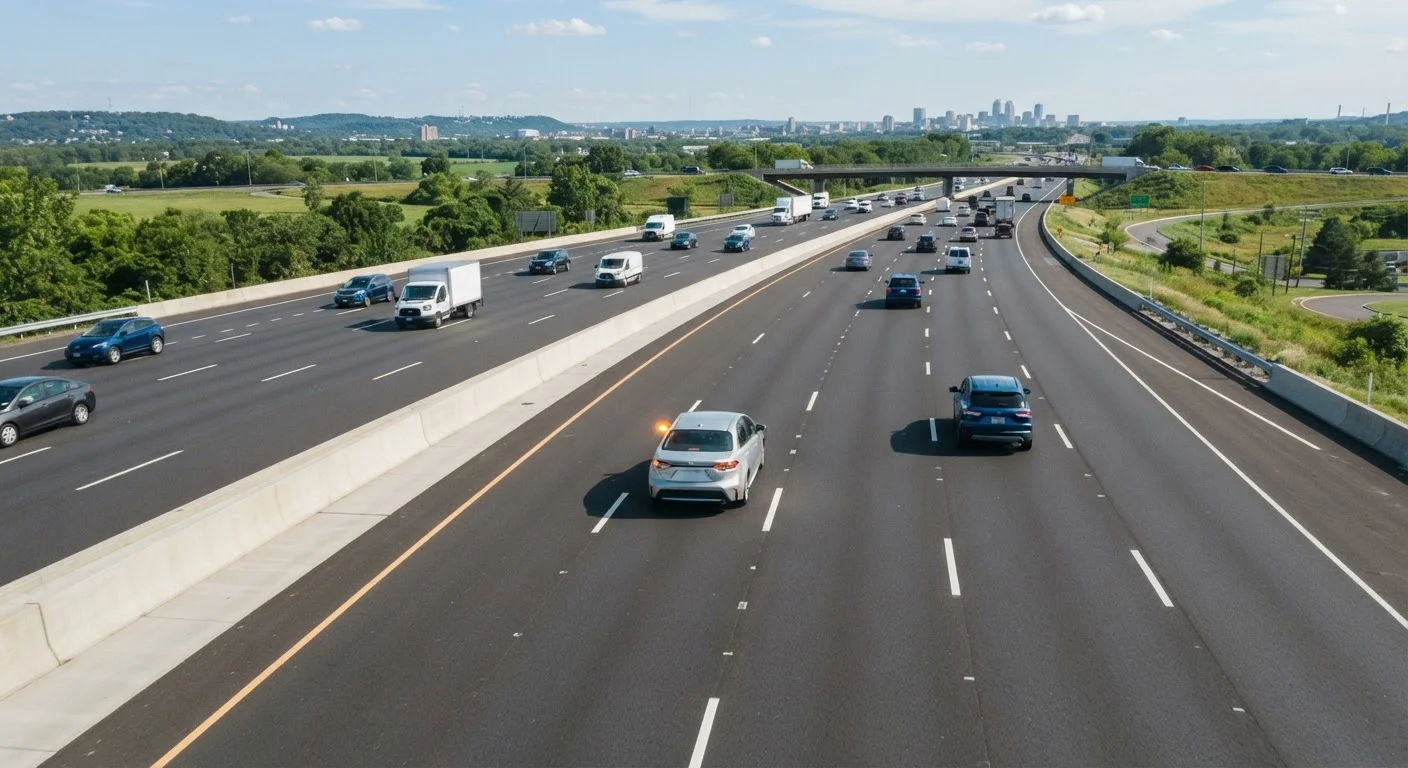
Key Takeaways
- Signal early - at least three seconds before initiating any lane change.
- Mirror checks alone are not enough; always perform a physical head-check for blind spots.
- Match the speed of traffic in the target lane before moving over.
- Never force a merge; if the gap is too small, wait for the next one.
- Poor merging habits are a leading contributor to highway rear-end and sideswipe collisions.
What you will need
Why Merging Errors Are So Common - and Consequential
Highway lane changes feel routine, but they concentrate several high-risk variables into a few seconds: high speed, multiple moving vehicles, and limited reaction time. According to the Federal Highway Administration, lane-change and merge maneuvers are a significant contributor to highway crash statistics in the United States each year.
Most errors fall into a short list of categories: signaling too late, skipping the head-check, misjudging gap size, or failing to match the speed of the target lane. Each of these is preventable with a repeatable technique. The six steps below walk through that technique in order. None of them require special skill - they require consistent habit.
If you want to understand how following distance compounds these risks, our tailgating guide explains the physics involved.
Blind Spots Kill - Every Time
Mirrors cover most of the area around your vehicle, but not all of it. A car sitting in your blind spot can be completely invisible in both side and rearview mirrors. Always turn your head and physically look before completing any lane change. Our guide on blind spots and mirrors explains exactly where these gaps occur on most vehicles.
Tools and Setup Before You Merge
Safe lane changes depend on preparation that happens before you encounter traffic - not in the moment. Adjust your mirrors correctly every time you get in the vehicle. Your side mirrors should be positioned so you can just barely see the edge of your own car; any further inward and you are duplicating coverage your rearview already handles.
Properly Adjusted Mirrors
Minimize blind spot coverage and give the widest possible rearward view before initiating a lane change.
Working Turn Signal
Communicates your intent to surrounding drivers with enough lead time for them to react.
Speedometer Awareness
Helps you match the speed of the target lane before moving over, reducing merge-point conflict.
What you will need
Poor vehicle maintenance can also affect your ability to execute a safe merge - worn tires reduce lateral grip, and a faulty turn signal removes your primary communication tool. Keep these basics current.
Step-by-Step: How to Execute a Safe Lane Change
Scan ahead and decide early
Highway merges that go wrong almost always start with a late decision. Identify your need to change lanes well before you actually need to move - ideally 10 to 15 seconds ahead. This gives you time to assess traffic density, speeds, and gap availability without rushing.
Check all three mirrors
Before signaling, do a full mirror scan: rearview mirror first, then the side mirror on the side you're moving toward. Note the speed and distance of any approaching vehicles. This initial check tells you whether a gap is realistically available, but it is not the final safety check.
Signal your intent - at least three seconds early
Activate your turn signal before you begin any lateral movement. Three seconds is a commonly cited minimum; five seconds is even better on high-speed interstates. Signaling early gives drivers in the target lane time to adjust their speed or position and reduces the chance of a sideswipe.
Signaling while moving is not communicating intent - it is announcing a maneuver that is already underway. That distinction matters at 65 mph.
Perform a physical head-check (shoulder check)
Turn your head and look over your shoulder into the lane you intend to enter. This covers the blind spot zone that your mirrors cannot reach. A quick glance is enough - you are confirming whether that gap is actually clear, not studying the scenery.
Keep your steering wheel steady while turning your head. Many new highway drivers inadvertently steer toward where they're looking.
Match the speed of the target lane
Before committing to the merge, accelerate or decelerate to match the flow of traffic in the lane you're entering. Moving into a faster lane at a lower speed forces vehicles behind you to brake suddenly. Moving into a slower lane at a higher speed can cause you to close on the car ahead too quickly.
Speed matching is one of the most overlooked steps in driver education - and one of the most effective at preventing merge-point collisions.
Move smoothly and complete the lane change
Once your gap is confirmed and speed is matched, steer gradually into the new lane. Avoid sharp or sudden movements - a smooth, deliberate transition keeps surrounding drivers from having to react to you. Once fully in the new lane, cancel your turn signal and re-establish your following distance.
For additional guidance on building these habits across your whole household, see our family driver safety plan.
Use the Two-Second Gap Rule
Before moving into a new lane, confirm you can see the full front of the vehicle behind you in your rearview mirror - that typically represents a two-second gap at highway speeds. A tighter gap is not enough cushion. This pairs directly with understanding stopping distance, which our tailgating explainer covers in depth.
Adjust for Poor Weather Conditions
Rain, fog, and snow dramatically reduce both visibility and stopping distance, making lane changes significantly riskier. In low-visibility conditions, extend your following distance, signal earlier, and move more gradually. See our driving in poor weather guide for condition-specific advice.
Common Mistakes to Stop Making
Even experienced drivers carry habits that increase risk on highways. Here are the most common:
- The late signal: Flicking on the turn signal while already moving into the lane gives other drivers almost no time to respond.
- The mirror-only check: Treating a mirror scan as the final safety confirmation skips the one step - the head-check - that catches blind-spot threats.
- Forcing a small gap: If you have to accelerate hard or brake the car behind you to get into the lane, the gap was not yours to take. Wait.
- Multi-lane jumps: Crossing two lanes in a single maneuver significantly reduces your ability to monitor all surrounding vehicles. Change one lane at a time, re-assess, then change again if needed.
Many of these habits persist because they go unchallenged for years. Our driver safety myths article covers other widespread assumptions that quietly increase crash risk.
This article provides general driver education information. Always follow the traffic laws applicable in your state, and consult a certified driving instructor for personalized guidance.