

Key Takeaways
- Resort fees, baggage charges, and parking costs are rarely included in advertised travel prices.
- Airport and theme park food markups can add hundreds of dollars to a family trip unplanned.
- Reading the full booking terms before paying is the single most effective way to catch surprise fees.
- Building a 10-15% buffer into your travel budget helps absorb costs that are hard to predict.
- Many hidden costs repeat across trips-identifying them once helps you plan smarter every time.
Why Hidden Costs Hit Families Harder
A solo traveler who hits an unexpected $40 resort fee absorbs it and moves on. A family of four staying five nights faces a $200 surprise-and that's just one type of hidden cost among many. Families travel with more luggage, need more seats, eat more meals, and buy more tickets. Every hidden fee scales with headcount.
The core problem is that travel pricing is deliberately fragmented. Flights, hotels, and rental cars are marketed at their lowest possible base rate, with fees layered in later. Most families are comparing prices at the top level and missing what's buried in the fine print. For a deeper foundation on how to approach this, see what to know before planning a family travel budget.
The solution isn't to distrust every deal-it's to know which cost categories routinely hide fees, and to build a habit of reading total prices rather than advertised ones.
The Most Common Budget-Busting Mistakes
These mistakes aren't failures of intelligence-they're the predictable result of how travel is marketed and how busy families plan. Recognizing each one in advance is what separates a trip that lands on budget from one that doesn't.
Booking based on the advertised price without reading the full fee breakdown.
Why it happens: Comparison tools and booking platforms typically display base rates to stay competitive, burying mandatory fees in a later step or the fine print.
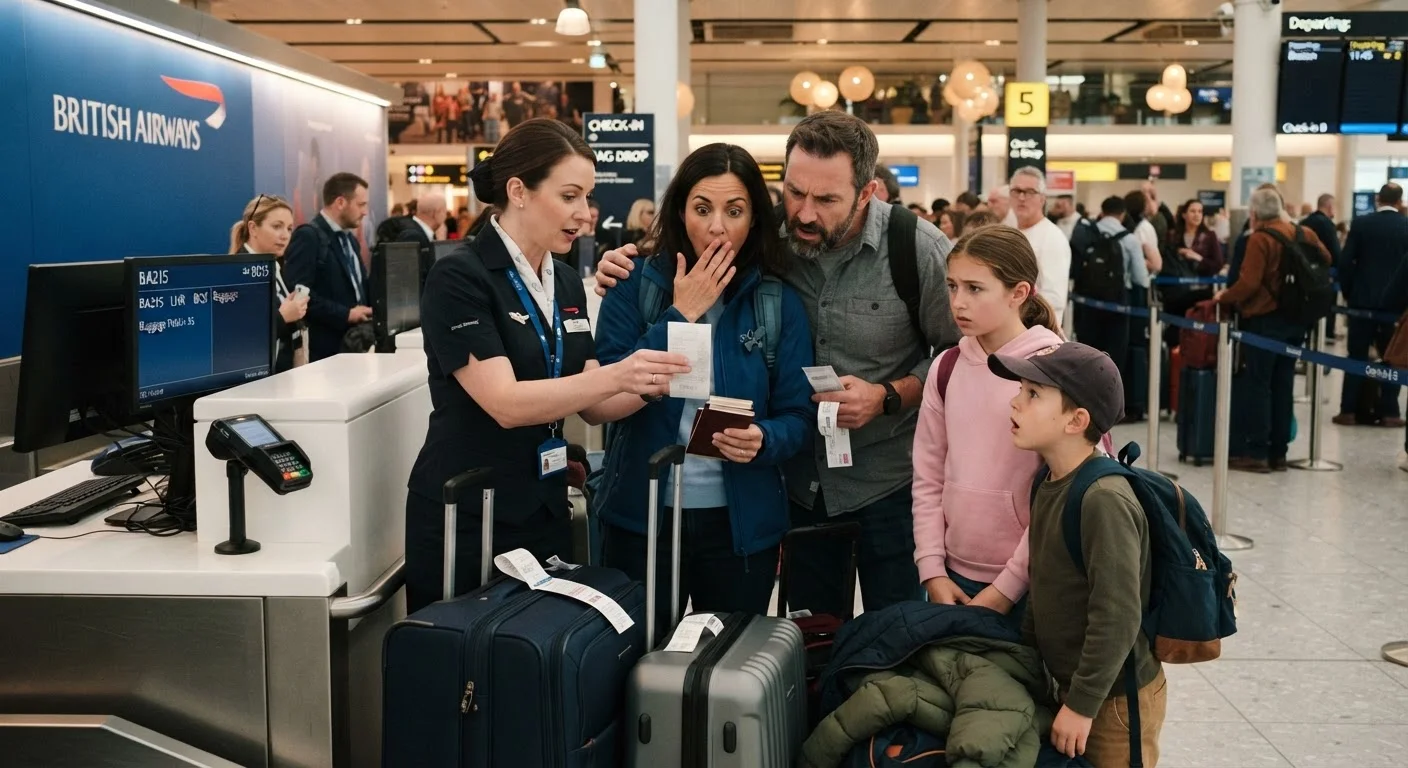
Underestimating baggage fees, especially for families flying with multiple checked bags.
Why it happens: Families often realize only at check-in that a base fare covers carry-on luggage only, and that checking multiple bags for four or five people multiplies costs quickly.
Overlooking transportation costs at the destination, including parking, tolls, and airport transfers.
Why it happens: Families focus on flights and lodging and treat local transport as a minor afterthought, not realizing that rental car fuel, resort parking fees, and rideshares to attractions can run into the hundreds.
Not budgeting for activity and attraction fees beyond the ticket price.
Why it happens: Families buy park admission or tour tickets in advance and assume the main cost is covered, then spend freely on food, photos, games, and souvenirs once inside.
Assuming travel insurance is an unnecessary extra rather than a budget-protection tool.
Why it happens: The upfront cost of travel insurance feels like an avoidable expense-until a trip cancellation, medical issue, or lost luggage creates a much larger unplanned cost.
Failing to account for exchange rate margins and foreign transaction fees when traveling internationally.
Why it happens: Families focus on the exchange rate they see online without realizing that airport currency kiosks and some bank cards apply significant markups or per-transaction fees.
For a structured approach to catching these costs before you finalize any booking, this step-by-step trip planning guide walks through each decision point. And before departure, run through the family travel budget checklist to make sure nothing costly is forgotten.
Resort Fees Can Exceed $50 Per Night
Many hotels-particularly at resort destinations-charge mandatory 'resort fees' or 'destination fees' that are disclosed only in the fine print, not in the advertised nightly rate. For a family staying five nights, this can add $250 or more to the final bill. Always check the total price including all taxes and fees before confirming any hotel booking.
Building a Budget That Accounts for the Real Total
The most practical defense against hidden costs is building your travel budget around categories, not a single number. Break your estimate into flights, accommodation (with fees included), ground transport, food, activities, and a miscellaneous buffer. The family trip budget breakdown offers plain-language guidance on realistic spending targets for each category.
~$500
Average unreported travel fees per family trip
Industry analysts and consumer advocacy groups consistently find that ancillary fees-baggage, resort charges, parking-account for several hundred dollars beyond advertised trip prices for a typical family of four.
10-15%
Recommended travel budget buffer
Financial planning guidance commonly suggests padding any travel budget by 10-15% specifically to absorb unpredictable costs like medical expenses, itinerary changes, or miscellaneous fees.
$30-$50
Typical hotel parking fee per night
Urban and resort hotels in the US frequently charge separate daily parking fees that are not included in the room rate, according to hospitality industry data.
Food deserves its own line item. Airport meals, convenience-store snacks, and tourist-area restaurants all carry significant markups. Families who plan one or two grocery runs during a trip and pack snacks for travel days consistently report lower food spend. See how to eat well on the road without restaurant prices at every meal for practical tactics.
Airport Food Costs Add Up Fast
A single meal for a family of four inside a US airport can easily run $60-$80 before drinks. Multiplied across layovers and early departures, food purchased in terminals or at highway rest stops can represent a significant unplanned line item. Pack snacks and refillable water bottles to limit how often you're forced to buy at inflated travel-hub prices.
If destination flexibility is an option, some locations are structurally less expensive for families. Destinations where family travel costs significantly less can help reframe where your budget goes furthest-sometimes the most effective way to avoid hidden costs is to travel somewhere that charges fewer of them.