

Key Takeaways
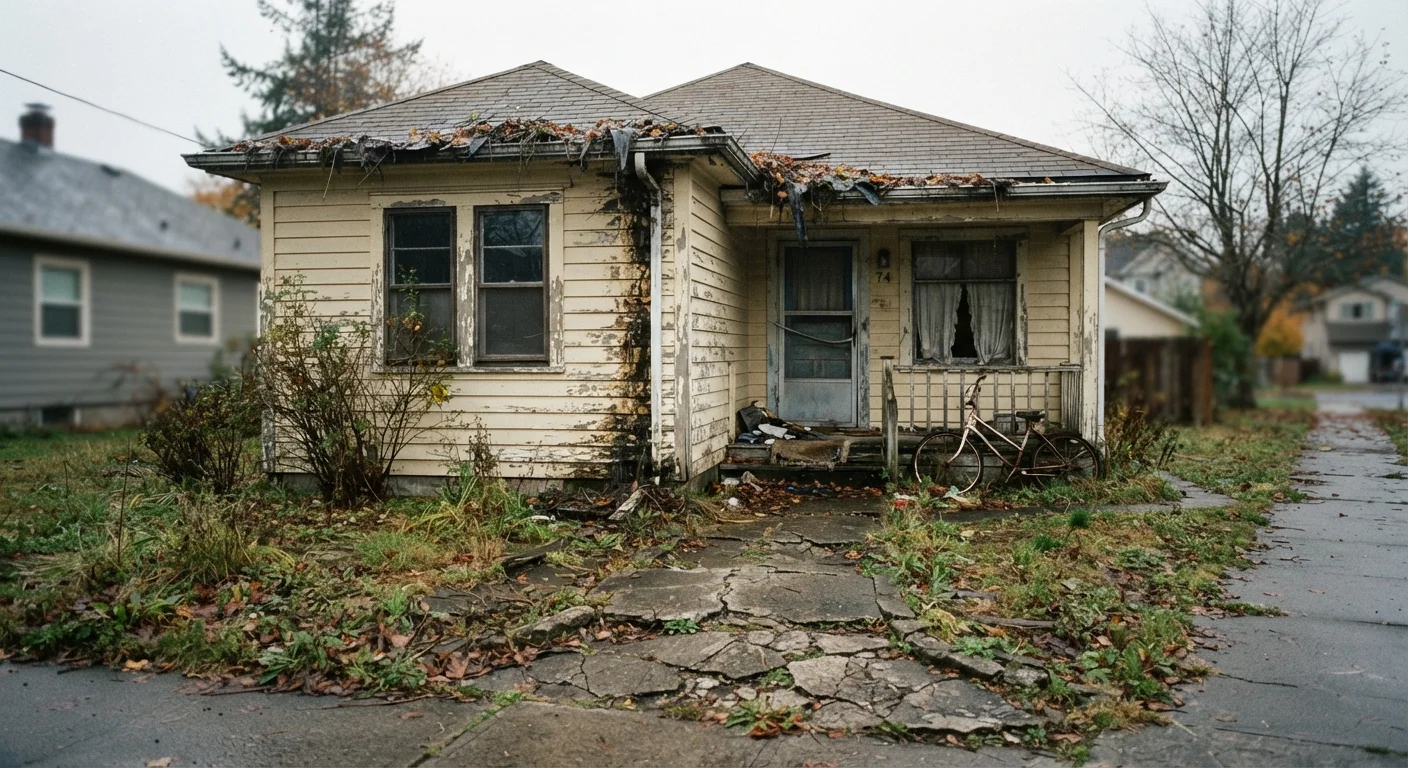
- Deferred maintenance rarely stays contained - one neglected system typically accelerates damage in adjacent systems.
- Water intrusion is the most expensive consequence of skipped upkeep, affecting structure, air quality, and insulation.
- A home with documented maintenance history generally sells faster and at a higher price than one without.
- Catching problems early usually costs a fraction of repairing damage after it has spread.
- Budgeting a small percentage of your home's value annually for maintenance is a widely cited preventive strategy.
Frees up cash during financial hardship
When budgets are genuinely tight, postponing non-urgent tasks like repainting or landscaping can direct limited funds toward essentials. This is a reasonable short-term response to temporary cash flow problems.
Some issues resolve or stabilize on their own
Minor cosmetic cracks in plaster or small patches of weathered deck stain may not worsen significantly over one season, giving homeowners time to plan and budget for repair rather than reacting immediately.
Allows time to research and hire properly
Rushing a repair can mean hiring an unvetted contractor or choosing a lower-quality fix. A brief, intentional delay sometimes allows homeowners to gather quotes, verify credentials, and make a more informed hiring decision.
Small problems escalate into structural damage
A failing roof seal, ignored for one season, can saturate roof decking and attic insulation within months. Structural repairs routinely cost five to ten times more than the preventive maintenance that would have avoided them.
Water intrusion causes mold and air quality issues
Moisture that enters through neglected caulking, gutters, or roofing creates conditions where mold can establish within 24 to 48 hours of persistent dampness. Remediation is costly and, in severe cases, requires vacating the home.
HVAC neglect leads to premature system failure
Skipping filter changes and annual servicing forces heating and cooling systems to work harder, shortening their lifespan. Replacing a full HVAC system typically costs several thousand dollars - far more than years of routine maintenance.
Deferred tasks accumulate into an unmanageable backlog
Once several systems fall behind simultaneously, the financial and logistical burden of catching up can feel overwhelming. Homeowners in this position often defer further, accelerating the overall deterioration.
Reduced home value and buyer confidence
Visible deferred maintenance signals risk to prospective buyers, leading to lower offers or failed inspections. Lenders may also flag significant maintenance deficiencies during appraisals, complicating refinancing or sale.
Safety hazards can develop undetected
Neglected electrical panels, deteriorating chimney liners, and failing CO detectors represent real safety risks. These hazards often develop silently and are only discovered after an incident or during a home inspection.
Our Verdict
Deferred maintenance is essentially a loan with compounding interest - the longer it goes unaddressed, the more expensive the eventual payoff. While skipping tasks may ease short-term cash pressure, it consistently leads to larger repair bills, reduced home value, and potential safety hazards. Consistent, modest upkeep is almost always the more affordable path.
Homeowners who want to protect their investment, avoid emergency repair bills, and maintain a safe, comfortable living environment over the long term.
How Neglect Compounds: The Cascade Effect
Home systems don't fail in isolation. A roof that needs a minor shingle repair today can allow moisture to infiltrate the sheathing beneath, which then saturates the insulation, which encourages mold growth in the attic, which eventually compromises ceiling joists. What started as a $300 repair can reach into five figures if left alone for two or three rainy seasons.
This cascade pattern is the core reason deferred maintenance is financially dangerous. Each delay doesn't just postpone one repair - it creates the conditions for several others. Understanding this domino effect is the first step toward smarter prioritization. Our seasonal maintenance calendar can help you stay ahead of these chain reactions before they start.
Not All Delays Carry Equal Risk
Deferred maintenance isn't uniformly dangerous - context matters. Postponing a deck stain job carries far less risk than ignoring a slow roof leak or a malfunctioning sump pump. The key distinction is whether water, structural integrity, or a mechanical safety system is involved. Tasks in those categories warrant the highest urgency, while cosmetic or aesthetic work is generally more forgiving of a planned delay.
The Upsides of Delaying - and Why They're Limited
It's worth being honest: there are situations where homeowners reasonably defer maintenance, and not all delay is reckless.
Frees up cash during financial hardship
When budgets are genuinely tight, postponing non-urgent tasks like repainting or landscaping can direct limited funds toward essentials. This is a reasonable short-term response to temporary cash flow problems.
Some issues resolve or stabilize on their own
Minor cosmetic cracks in plaster or small patches of weathered deck stain may not worsen significantly over one season, giving homeowners time to plan and budget for repair rather than reacting immediately.
Allows time to research and hire properly
Rushing a repair can mean hiring an unvetted contractor or choosing a lower-quality fix. A brief, intentional delay sometimes allows homeowners to gather quotes, verify credentials, and make a more informed hiring decision.
That said, each of these advantages comes with a shelf life. The short-term financial relief is real, but it typically shrinks as underlying damage worsens. Knowing which tasks can safely wait - and which cannot - is what separates strategic delay from costly neglect. See where to prioritize when money is tight for a practical breakdown.
The Real Costs: What Deferred Maintenance Actually Does
The disadvantages of skipped upkeep aren't theoretical - they follow predictable patterns that home inspectors and contractors see regularly.
Small problems escalate into structural damage
A failing roof seal, ignored for one season, can saturate roof decking and attic insulation within months. Structural repairs routinely cost five to ten times more than the preventive maintenance that would have avoided them.
Water intrusion causes mold and air quality issues
Moisture that enters through neglected caulking, gutters, or roofing creates conditions where mold can establish within 24 to 48 hours of persistent dampness. Remediation is costly and, in severe cases, requires vacating the home.
HVAC neglect leads to premature system failure
Skipping filter changes and annual servicing forces heating and cooling systems to work harder, shortening their lifespan. Replacing a full HVAC system typically costs several thousand dollars - far more than years of routine maintenance.
Deferred tasks accumulate into an unmanageable backlog
Once several systems fall behind simultaneously, the financial and logistical burden of catching up can feel overwhelming. Homeowners in this position often defer further, accelerating the overall deterioration.
Reduced home value and buyer confidence
Visible deferred maintenance signals risk to prospective buyers, leading to lower offers or failed inspections. Lenders may also flag significant maintenance deficiencies during appraisals, complicating refinancing or sale.
Safety hazards can develop undetected
Neglected electrical panels, deteriorating chimney liners, and failing CO detectors represent real safety risks. These hazards often develop silently and are only discovered after an incident or during a home inspection.
1%-2%
Annual home value suggested for maintenance budget
Home maintenance professionals commonly cite this range as a baseline estimate, though actual costs vary by home age, location, and condition.
10×
Typical cost multiplier when minor repairs are ignored
Industry estimates consistently indicate that small repairs left unaddressed often cost ten times more once secondary damage is factored in.
Water intrusion stands out as the most destructive force in residential structures. Gutters clogged with debris push water against fascia boards and foundation walls. A slow roof leak saturates insulation and invites mold. Even a dripping bathroom caulk line can rot a subfloor over 12 to 18 months. The pattern holds true beyond the home, too - as explored in the real cost of skipping routine car maintenance, neglect compounds in similar ways across complex systems.
Impact on Home Value and Resale
Buyers and their inspectors are trained to spot deferred maintenance. Peeling paint, stained ceilings, missing caulk, and outdated HVAC equipment all signal to buyers that they're inheriting a backlog of problems. This perception commonly leads to lower offers, lengthier negotiations, or deals falling apart during inspection.
Homes with clear maintenance records - receipts for HVAC servicing, roof inspections, and gutter cleaning - tend to move more confidently through the sales process. Sellers who can demonstrate consistent care often justify higher asking prices and encounter fewer buyer-demanded concessions. Reviewing common maintenance myths can also help you avoid false economies that quietly erode your home's condition and value.
A Practical Framework for Staying Ahead
The goal isn't perfection - it's preventing the cascade. Most home maintenance professionals suggest budgeting roughly 1% of your home's value per year for upkeep, though costs vary significantly by age, climate, and home size. Older homes or those in harsh climates may require more.
Prioritize tasks that protect against water intrusion first: roof condition, gutters, caulking around windows and doors, and grading that directs water away from the foundation. Mechanical systems - HVAC filters, water heaters, sump pumps - come next, as failures here can be both sudden and expensive. Cosmetic issues, by comparison, are far more forgiving of delay.
Building a simple maintenance log - even a note on your phone with dates and tasks - creates accountability and makes it easier to spot what's been skipped. The same logic that applies to preventive vehicle care applies here: consistent small investments reduce the likelihood of major failures. The parallel is drawn clearly in our guide to keeping maintenance costs under control.
This article provides general home maintenance information for educational purposes and does not constitute professional inspection, contracting, or financial advice. Consult a licensed professional for assessments specific to your home.