

Key Takeaways
- Annual wellness exams catch health problems early, when treatment is usually simpler and less expensive.
- Many dogs appear healthy while harboring conditions only a physical exam or bloodwork can detect.
- Skipping annual visits often leads to higher emergency vet costs down the road.
- A wellness visit typically covers a physical exam, parasite screening, vaccinations, and a weight check.
- Budget-conscious families can plan for routine vet costs by spreading visits and asking about payment options.
What Actually Happens at an Annual Wellness Exam
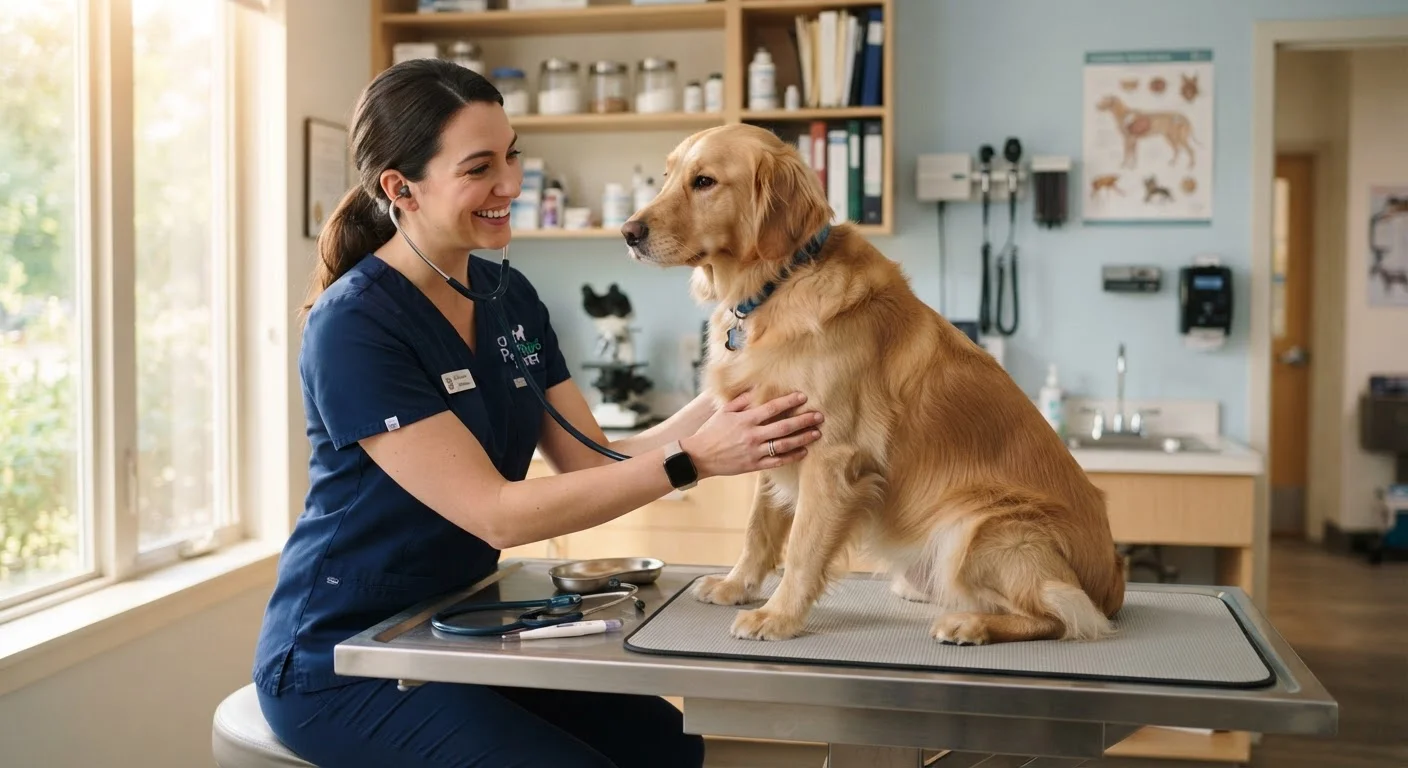
A routine wellness exam is far more than a quick once-over and a shot or two. Your veterinarian will typically perform a systematic head-to-tail physical assessment - checking your dog's eyes, ears, teeth, coat condition, lymph nodes, heart and lung sounds, abdomen, joints, and weight. They'll review your dog's vaccine status and discuss whether any boosters are due based on your local guidelines and your dog's lifestyle. Understanding which vaccines are typically recommended helps you have a more informed conversation at the appointment.
Many vets also run a fecal parasite screen to check for intestinal worms, recommend heartworm testing, and discuss flea, tick, and heartworm prevention. For adult dogs, a baseline blood panel is often suggested to establish normal values - a reference point that becomes invaluable if your dog gets sick later. All of this, together, paints a picture of your dog's health that no single symptom-driven visit can replicate.
1 in 3
Pets with a hidden health condition at wellness visits
The American Veterinary Medical Association notes that routine exams regularly uncover conditions owners had no idea existed, including dental disease, obesity, and parasites.
~70%
Dogs showing signs of dental disease by age 3
According to veterinary dental health resources, periodontal disease is among the most common - and preventable - conditions found during routine wellness exams in adult dogs.
The Mistakes That Make Routine Care More Expensive
Skipping preventive visits is a pattern that shows up across many areas of family life - and the financial logic is the same whether you're talking about car maintenance or pet health. Just as deferred car maintenance tends to compound into larger repair bills, postponed vet visits allow treatable conditions to progress into costly emergencies. The mistakes below are the most common ones we see - and every one of them is avoidable.
Waiting until your dog seems sick before calling the vet.
Why it happens: When a dog appears healthy and energetic, a routine appointment can feel unnecessary and easy to postpone indefinitely.
Assuming last year's visit covered everything for another full year or more.
Why it happens: Pet owners sometimes let a single visit lapse into 18 months or two years, especially if the dog seemed fine afterward.
Skipping the visit because of cost concerns without exploring alternatives.
Why it happens: Vet bills can feel unpredictable, and families on tight budgets may deprioritize an appointment when no emergency is obvious.
Forgetting to bring a fecal sample or medication list to the appointment.
Why it happens: Most owners focus on getting the dog to the clinic and overlook the supporting details that make the visit more productive.
Treating the wellness exam as just a vaccine appointment and tuning out the rest.
Why it happens: Many owners mentally file vet visits under "shots," missing the broader value of the head-to-tail physical examination.
Healthy-Looking Dogs Can Still Have Hidden Issues
Dogs are instinctively good at masking discomfort and early illness - a survival behavior inherited from their ancestors. A dog that seems energetic and happy at home can have developing dental disease, early kidney changes, or a heart murmur that only a hands-on physical exam reveals. Waiting for visible symptoms to appear before visiting the vet means problems have already had time to progress.
Making Routine Vet Care Work for Your Family
Consistency matters more than perfection. If you've missed a year or two, don't let guilt keep you from booking now - just make the call. Your vet won't judge you; they'll be glad to see your dog and get a current health snapshot. Many of the same barriers that cause families to skip preventive healthcare for themselves also apply to their pets. Recognizing those patterns is the first step to changing them.
Set a recurring annual reminder linked to a date that's easy to remember - your dog's adoption anniversary, a birthday, or the start of a new season. Ask for an itemized estimate before the visit so there are no surprises at checkout. And remember: catching a dental problem, a weight issue, or an early organ change at a wellness exam is almost always simpler, kinder, and less expensive than managing the advanced version of that same problem six months later.
This article provides general information about routine pet care and is not a substitute for personalized veterinary advice. Always consult a licensed veterinarian for guidance specific to your dog's health needs.