

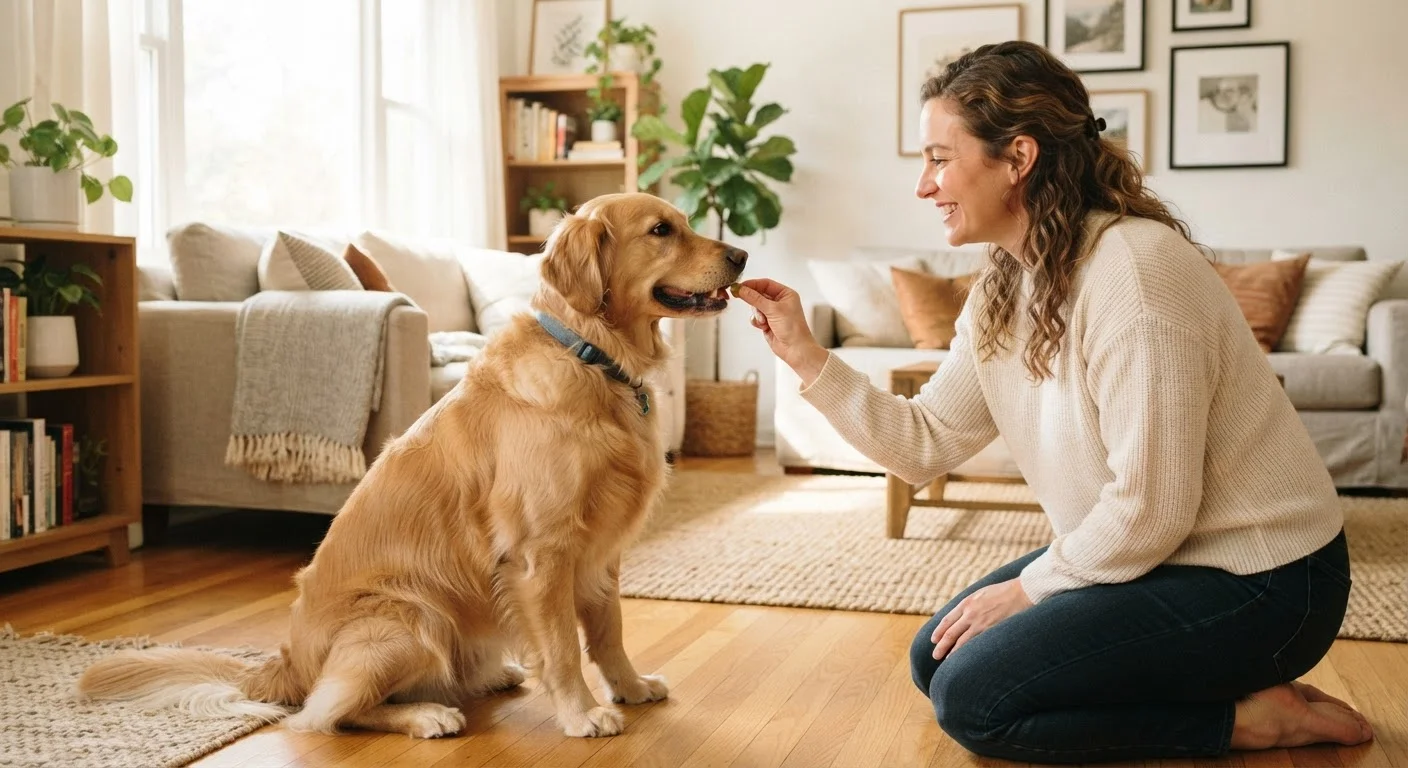
Key Takeaways
- Positive reinforcement works by strengthening behaviors you want repeated through immediate, meaningful rewards.
- Timing matters - rewards delivered within seconds of the desired behavior are far more effective.
- Treats aren't the only reward; praise, play, and attention can be equally powerful motivators.
- Consistency from every household member is essential for dogs to learn reliably.
- Short, frequent training sessions outperform long, infrequent ones for lasting results.
The Science Behind the Method
Positive reinforcement is rooted in behavioral science - specifically operant conditioning, a framework studied for over a century. The core idea is straightforward: when a behavior is followed by something the learner values, that behavior is more likely to happen again. For dogs, this means pairing a desired action - sitting, staying, coming when called - with a reward the dog genuinely enjoys.
What makes this approach effective isn't magic or special equipment. It's the reliable connection your dog forms between doing the right thing and something good happening immediately after. Veterinary behaviorists and certified trainers consistently support positive reinforcement as the most humane and durable approach to teaching pets, and research in animal behavior backs this up. Dogs trained this way tend to engage more enthusiastically, show fewer stress signals, and generalize behaviors more readily to new environments.
“The single most important thing you can do to strengthen a behavior is to reinforce it the moment it happens. Timing and consistency are everything in learning.”
— Karen Overall, Veterinary behaviorist and author of works on clinical behavioral medicine in animals
What Counts as a Reward (It's More Than Treats)
When most people picture positive reinforcement, they picture a treat pouch. And yes, food rewards are effective - especially small, soft, smelly pieces that dogs can eat quickly. But a reward is simply anything your individual dog finds motivating in that moment.
- Food: Small, pea-sized pieces of real meat, cheese, or commercial training treats work well. Variety keeps dogs engaged.
- Praise and verbal markers: A cheerful "yes!" or "good dog!" delivered at exactly the right moment tells your dog precisely which behavior earned the reward.
- Play: A quick tug game or tossing a favorite toy can reinforce certain dogs just as powerfully as food.
- Attention and petting: For dogs who are highly social, enthusiastic petting from their favorite person is genuinely reinforcing.
Knowing what your dog values most takes a little observation. Test different rewards and notice which ones make your dog's eyes light up - those are your high-value reinforcers, best saved for teaching new or tricky behaviors.
Putting It Into Practice Every Day
The gap between understanding positive reinforcement and consistently using it comes down to a few practical habits. Sessions don't need to be long - even three to five minutes before dinner can produce real progress over weeks. The key variables are timing, clarity, and consistency.
Timing: Reward within one to two seconds of the desired behavior. Delayed rewards can accidentally reinforce whatever the dog happens to be doing at that moment - which might be wandering away or looking at you expectantly rather than actually sitting.
Consistency across the household: If one family member lets the dog jump up while another asks for a sit before greeting, the dog receives mixed signals. Agreeing on the same cues and reward rules as a household makes learning much faster. This mirrors principles you'll find when building consistent habits in busy households - predictability is the backbone of lasting behavior change.
Keep sessions positive and short: End each session on a success. If your dog is struggling with a new skill, drop back to something they know well, reward that, then stop. This preserves their enthusiasm for the next session.
Common Mistakes and How to Avoid Them
Even well-intentioned owners can inadvertently undermine their training. Here are a few patterns worth watching for:
- Rewarding too late
- If your dog sits, then immediately stands up, and you deliver a treat - you may be reinforcing the standing, not the sit. Practice your timing with a simple clicker or a clear verbal marker like "yes!"
- Fading rewards too quickly
- Some owners stop rewarding a behavior the moment the dog "gets it." Gradually thinning rewards (not eliminating them immediately) produces more reliable, long-lasting behavior.
- Expecting perfection too fast
- Dogs learn in small steps. Break complex behaviors into stages and reward progress, not just the finished product.
Just as habits taught incrementally tend to stick better long-term, training your dog is a gradual process that pays off with patience and repetition. The relationship you build through positive, reward-based work is one of the most lasting benefits of this approach.
This article is for general informational and educational purposes only. For specific behavioral concerns or persistent issues, consult a certified professional dog trainer or veterinary behaviorist.