

Key Takeaways
- A 'sale' tag only represents genuine savings if the reference price is real and recent.
- Retailers are legally permitted to set their own 'original' prices, which may be artificially high.
- Price history tools can reveal whether a 'sale' price is actually lower than the item's typical cost.
- Urgency language like 'limited time' is designed to discourage price comparison.
- The best time to evaluate a deal is before you feel the pressure to buy.
Retail 'Sale' Pricing
A 'sale' price is a price a retailer presents as reduced from a higher reference price. In theory, this means the item costs less than it normally would. In practice, the reference price - often called the 'original' or 'regular' price - may not reflect what the item actually sold for in any meaningful quantity, making the claimed discount misleading.
The FTC and many state consumer protection laws govern deceptive pricing practices, including inflated reference prices. Retailers found to use fictitious 'was' prices can face enforcement action, though standards vary by jurisdiction.
The Gap Between 'Sale' and 'Savings'
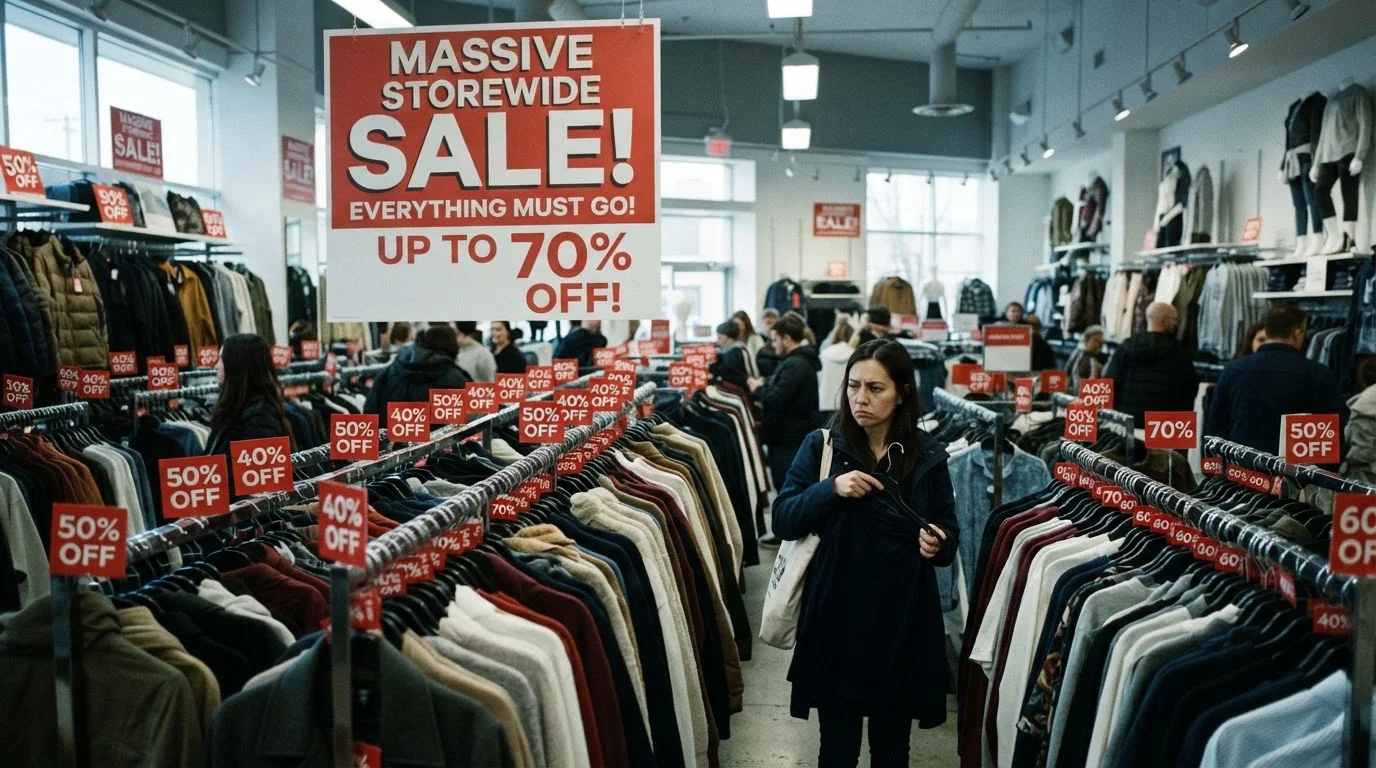
Walk through any retail environment - physical or digital - and sale tags are everywhere. But the word 'sale' is a marketing label, not a financial guarantee. All it technically means is that the current price is lower than some other stated price. It says nothing about whether that other price was ever real, fair, or paid by actual shoppers.
Retailers set their own reference prices. A $200 item marked down to $120 sounds like a 40% saving. But if that item routinely sold - or was always intended to sell - at $120, the 'original' price is essentially a fiction. This practice is sometimes called reference price inflation or a phantom original price.
Understanding this distinction is the foundation of smarter spending. For a broader starting point, see what 'value' really means before you hunt for deals.
~33%
Products found cheaper outside major sale events
Consumer advocacy research has found that a substantial share of 'sale' items during major retail events were available at equal or lower prices at other times of year.
Up to 20%
Price inflation before promotional events
Retail pricing studies have documented pre-event price increases that are then presented as discounts when the promotional period begins, understating the real savings.
How Reference Prices Work - and Where They Go Wrong
When a retailer lists a product as Was $89.99 - Now $59.99, the 'was' price is the reference price. In a transparent market, that reference price represents what the item genuinely sold for, recently and at volume. In practice, the rules are looser than most shoppers realize.
Many jurisdictions require only that an item was offered at the reference price for some defined period - not that anyone actually paid it. An item could be listed at $89.99 for 30 days with zero sales, then 'discounted' to $59.99 and marketed aggressively. The 'sale' is technically legal, but the saving is illusory.
Common scenarios where reference prices mislead:
- Suggested retail prices (SRP): The manufacturer's suggested price, which may be set well above any retailer's actual selling price, used as an anchor.
- Seasonal markups followed by 'sales': Prices quietly raised before a promotional event, then 'cut' back to where they started.
- Clearance vs. sale: Clearance pricing often reflects genuine inventory reduction, while 'sale' tags may not.
Check Clearance Tags Separately
Clearance pricing and promotional 'sale' pricing work differently. Clearance typically reflects genuine inventory reduction at or near cost, meaning the retailer is prioritizing sell-through over margin. A promotional sale tag, by contrast, may be applied to full-inventory items at prices the retailer intends to maintain. When you see clearance pricing, verify whether stock is actually limited - if the same item is available in all sizes and colors, the clearance label may be more marketing than reality.
What Urgency Language Is Actually Doing
Phrases like Today Only, Limited Stock, and Ends Midnight aren't just informational - they're psychological tools designed to compress the time you have to think. When urgency is manufactured, it prevents price comparison, which is exactly the research retailers benefit most from you skipping.
The practical effect: shoppers who feel pressure to act immediately are less likely to check price history, look at competing retailers, or question whether the item was ever priced higher. That compressed decision window is where inflated 'savings' go unexamined.
For a closer look at how online and in-store pricing differ in this regard, see where savings actually live across channels.
Verifying Whether a Discount Is Real
The most reliable way to evaluate a sale price is to check the item's price history before you buy. Several free browser extensions track how product prices change on major retail platforms over time. If the 'sale' price has been the consistent price for months, the reference price is likely inflated.
A simple verification framework:
- Check price history for the specific item on the specific platform.
- Compare across at least two other retailers selling the same item, not just similar ones.
- Identify the fair market price - the price the item consistently sells for regardless of promotional labeling.
- Evaluate the actual gap between what you'd pay today and that fair market price.
This process takes a few minutes and is the same one covered in detail in our guide to spotting a genuine deal before you buy.
Also worth noting: many common shopping assumptions - including that sales always mean savings - are examined in shopping myths that cost families real money.
This article is for general informational purposes only. Pricing practices and consumer protection rules vary by state and retailer. Readers should verify current regulations and pricing independently.