

Key Takeaways
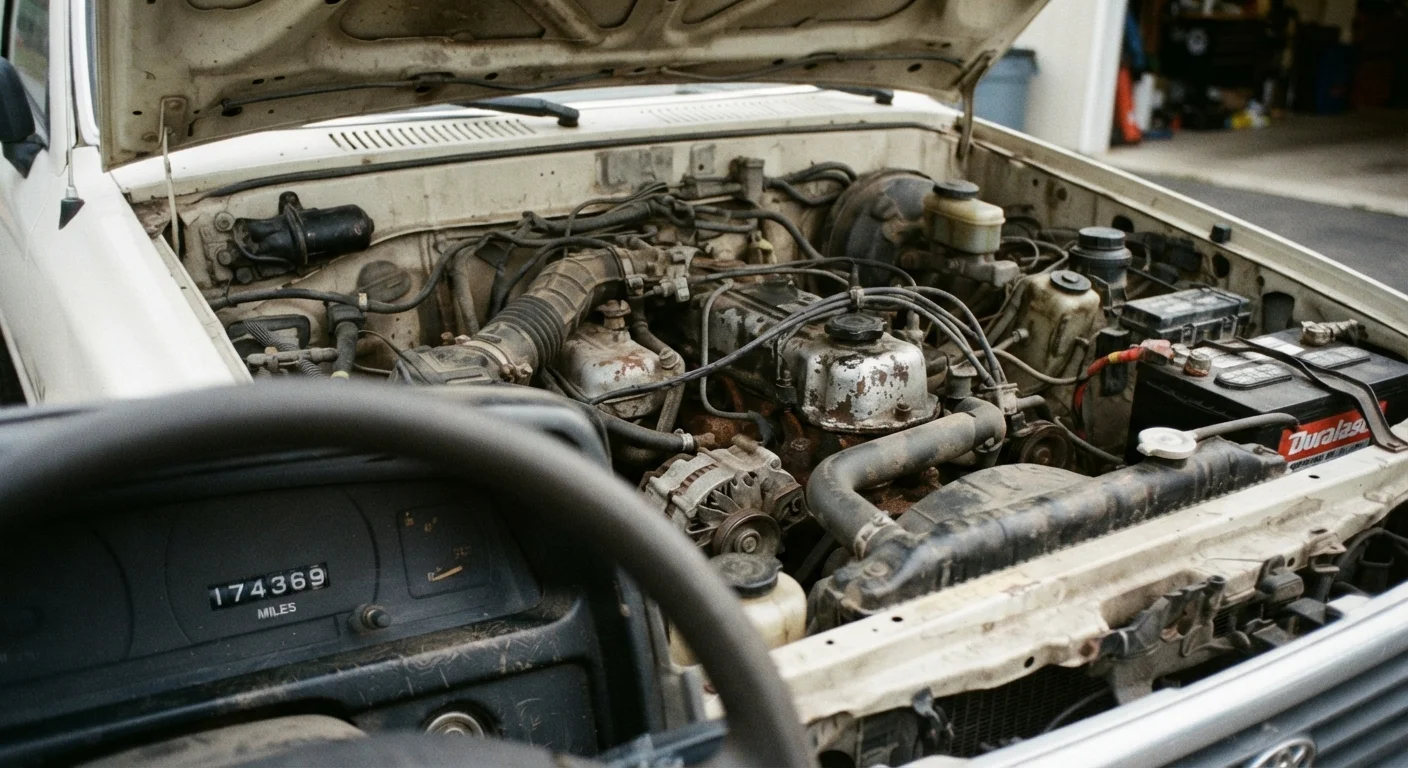
- Rubber seals, gaskets, and hoses deteriorate with age and mileage - inspect them regularly after 100,000 miles.
- Timing belt replacement (if applicable) is often the single most critical service on a high-mileage vehicle.
- Some factory-scheduled services become less urgent once components have already been replaced or stabilized.
- Consistent oil changes and fluid monitoring remain the most cost-effective protection for any aging engine.
- A pre-inspection by a trusted mechanic helps prioritize repairs by urgency rather than guesswork.
Why 100,000 Miles Changes the Game
Crossing the 100,000-mile mark used to be considered the end of a car's useful life. Today, with improved manufacturing and better lubricants, many vehicles can reliably run to 200,000 miles or beyond - but only if the owner adjusts their maintenance approach. The wear patterns after six figures are different from what happens in the first 50,000 miles, and treating them the same way is one of the most common mistakes budget-conscious drivers make.
At this stage, components aren't just wearing down from use - they're aging from time and heat exposure too. Rubber degrades. Metal fatigues. Gaskets that held firm for years begin to weep. The goal shifts from following a standard interval schedule to actively monitoring the systems most likely to cause trouble. See our guide to maintenance schedules for context on how factory intervals are set - and why high-mileage vehicles often need a different lens.
~80%
Of engine wear occurs at startup
Engineering studies on engine lubrication consistently show the majority of internal wear happens in the first seconds before oil fully circulates - making oil condition especially critical in older engines.
200,000+
Miles achievable with consistent maintenance
Consumer reliability surveys regularly document vehicles reaching 200,000 miles or more when owners maintain oil changes, fluid services, and timely component replacement.
$500-$1,000
Typical annual maintenance cost at high mileage
Industry estimates suggest well-maintained vehicles in the 100,000-150,000 mile range average several hundred to around a thousand dollars in annual upkeep, varying widely by make and model.
Fluids and Seals: Where High-Mileage Problems Start
More than half of high-mileage engine failures trace back to fluid-related issues - either the wrong fluid, low fluid, or a leak that went unnoticed too long. After 100,000 miles, your inspection routine needs to expand beyond the dipstick.
- Engine oil: Older engines often consume slightly more oil between changes. Check the level every few fill-ups, not just at oil-change intervals. Some owners of high-mileage vehicles switch to a slightly thicker viscosity oil - consult your owner's manual or a qualified mechanic before changing grades.
- Coolant: Coolant degrades chemically over time and loses its ability to prevent corrosion inside the engine block. If it hasn't been flushed in the past 50,000-60,000 miles, it's likely overdue.
- Transmission fluid: Often overlooked, especially on vehicles with sealed transmissions. Dirty fluid accelerates gear wear significantly in aging transmissions.
- Gaskets and seals: Valve cover gaskets, rear main seals, and intake manifold gaskets are common leak points after 100,000 miles. Small seeps can become serious leaks quickly.
For a plain-language breakdown of what each fluid does and the warning signs to watch for, see the car fluid guide.
After 100,000 miles, do a visual inspection of every rubber hose in the engine bay every time you check your oil. Press them gently - any hose that feels brittle or shows surface cracking is close to failure.
Hose failure is a leading cause of roadside overheating incidents in aging vehicles, and early detection costs nothing compared to a tow and coolant system repair.
When shopping for a used vehicle over 100,000 miles, request maintenance records specifically to confirm timing belt replacement - not just oil changes. This single data point can tell you more about the vehicle's risk profile than the overall mileage.
Timing belt failure on interference engines causes catastrophic internal engine damage, often making the vehicle uneconomical to repair. Knowing the service history prevents an expensive surprise.
Timing Belts, Spark Plugs, and Other Wear Items
Several components have defined service lives that frequently land right around - or just past - the 100,000-mile mark.
Timing Belt vs. Timing Chain
If your vehicle uses a rubber timing belt (check your owner's manual - not all vehicles do), replacement is typically required between 60,000 and 105,000 miles. A snapped timing belt can destroy an engine in seconds. If you're buying a used vehicle that has crossed this mileage threshold, verifying whether the timing belt has been replaced is essential. Timing chains generally last longer but are not maintenance-free - they can stretch and rattle with age.
Spark Plugs
Iridium and platinum plugs are commonly specified to last 60,000-100,000 miles. Worn plugs reduce fuel efficiency and can cause misfires that stress the catalytic converter - an expensive repair. Replacing them on schedule is straightforward preventive care.
Suspension and Steering Components
Shocks, struts, ball joints, and tie rod ends experience cumulative wear. Symptoms include pulling during braking, uneven tire wear, and a vague or wandering steering feel. These are safety-related items - if you notice handling changes, have a mechanic inspect the suspension before your next long trip. See our road trip preparation checklist for pre-drive inspection guidance.
Serpentine Belt and Hoses
Radiator hoses and the serpentine belt are rubber components that age regardless of mileage. Inspect them visually for cracking, fraying, or soft spots at every oil change.
Don't Ignore Suspension Warning Signs
Clunking over bumps, pulling to one side under braking, or a steering wheel that vibrates at highway speeds are not normal aging quirks - they indicate worn safety components. Driving on a compromised suspension increases stopping distances and reduces vehicle control. Have these symptoms evaluated by a mechanic before the next long drive.
What You Can Safely Deprioritize
Not every maintenance item deserves equal urgency on a high-mileage vehicle. Once certain components have already been replaced - or if your driving patterns make some services less relevant - it's reasonable to adjust your priorities.
- Cabin air filters: These affect interior air quality, not engine performance. They're worth replacing if clogged, but skipping one interval won't harm the vehicle.
- Fuel injector cleaners and additives: Most modern gasoline already contains detergent additives. Unless a mechanic has identified a specific injector issue, routine additive purchases are generally unnecessary.
- Transmission flushes on recently serviced units: If the transmission fluid was changed within the past 30,000 miles and the transmission is operating normally, an aggressive flush schedule adds cost without proportionate benefit.
The vehicle maintenance myths article covers several common services that are frequently oversold - worth reading before your next shop visit.
Building a Realistic Maintenance Budget
High-mileage ownership is an exercise in prioritization. The goal is to prevent the large, avoidable failures - engine damage from oil starvation, transmission failure from dirty fluid, coolant loss leading to overheating - while not spending indiscriminately on low-impact services.
A practical starting point: budget a modest monthly amount specifically for vehicle maintenance and set it aside. When a repair is needed, you're drawing from a reserve rather than facing an emergency expense. The guide to controlling maintenance costs lays out a realistic framework for this kind of planning.
One of the most cost-effective things you can do for a high-mileage vehicle is schedule a comprehensive inspection with a trusted, licensed mechanic once a year or every 15,000 miles. Ask specifically for a written list of findings organized by urgency - safety-critical items, near-term needs, and items to monitor. That structure turns an overwhelming maintenance situation into a manageable plan.
Ultimately, keeping a high-mileage car on the road reliably costs less than replacing it - but only if you stay ahead of the failures that compound quickly. Consistent attention to fluids, seals, and age-sensitive rubber components is what separates a 200,000-mile success story from an expensive breakdown.
This article provides general vehicle maintenance information for educational purposes. For guidance specific to your vehicle, consult a qualified, licensed mechanic.