

Key Takeaways
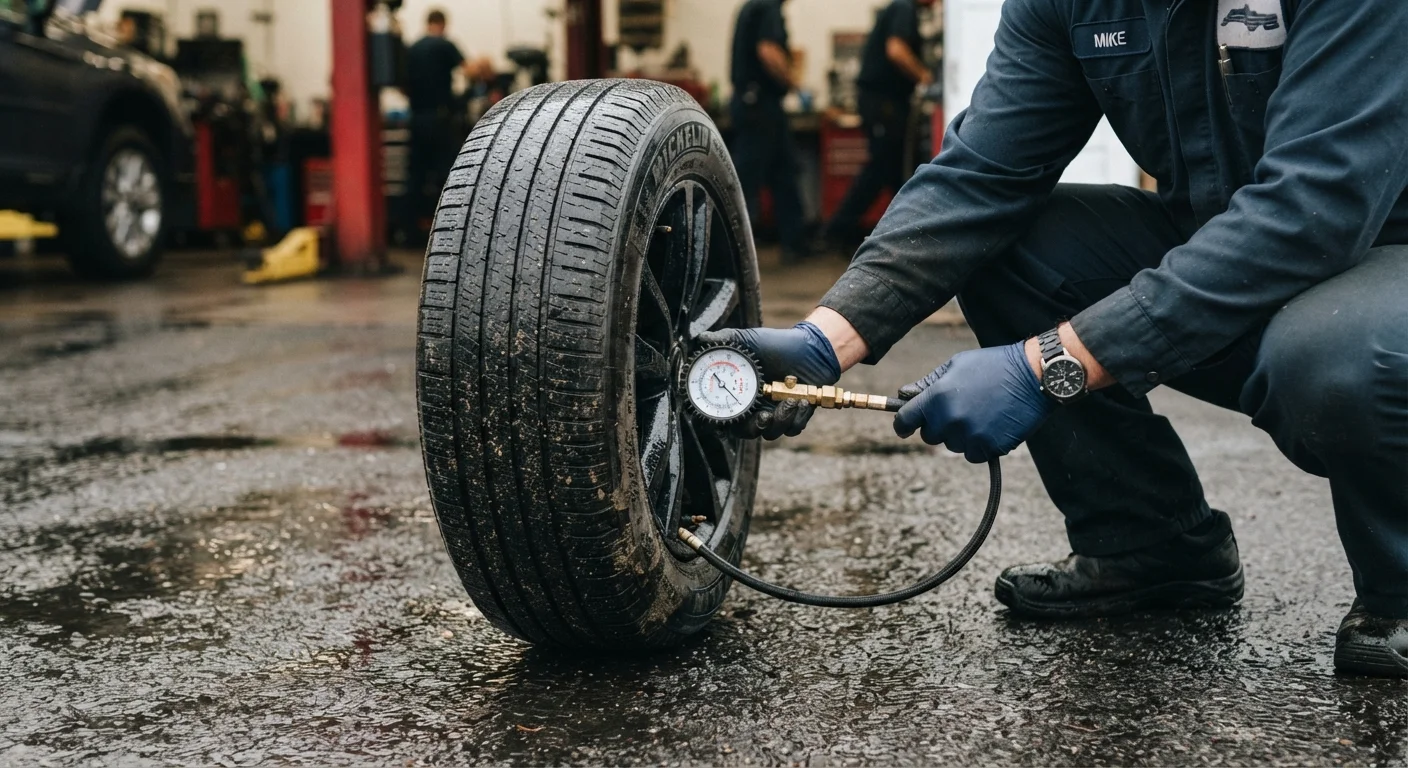
- Maintaining correct tire pressure is the single most impactful habit for tread longevity and fuel efficiency.
- Rotating tires every 5,000-7,500 miles helps all four wear evenly, delaying the need for replacement.
- Misaligned wheels cause rapid, uneven tread wear and reduce vehicle handling safety.
- A simple penny or quarter test can tell you when tread depth has dropped to a dangerous level.
- Consistent tire care reduces the risk of blowouts and can lower overall ownership costs over time.
Why Tire Care Pays Off for Everyday Drivers
Tires are the only part of your vehicle that touches the road. Their condition affects braking distance, cornering grip, fuel economy, and the risk of a sudden blowout - especially at highway speeds. Yet tire maintenance is one of the most commonly skipped items on the family car checklist.
The good news: most tire care habits cost little to nothing and take only minutes. For budget-conscious families, consistent attention to tires can stretch replacement intervals, reduce fuel costs, and prevent expensive emergency repairs. Understanding your vehicle's full maintenance schedule puts tire care in the broader context of keeping a car reliable for the long haul.
Check tire pressure at least once a month and before long trips.
Tires lose roughly 1 PSI per month under normal conditions, and pressure drops further in cold weather. Underinflated tires flex more, generating heat that accelerates wear and raises blowout risk. Correct pressure also supports better fuel economy.
Rotate tires every 5,000-7,500 miles, or as specified in your owner's manual.
Front and rear tires wear at different rates depending on drive configuration and braking load. Rotation equalizes this wear across all four tires, preventing any one tire from wearing out prematurely and extending the overall set life.
Have wheel alignment checked annually or after any significant impact.
Misalignment causes tires to scrub sideways slightly as the vehicle moves forward, producing rapid and uneven tread wear. It also affects straight-line tracking and handling. Catching alignment issues early prevents premature tire replacement.
Inspect tires visually every time you approach your vehicle.
A 10-second visual check as you walk to your car can catch a slow leak, embedded nail, or sidewall damage before it leads to a flat on the road. Early detection of damage is almost always less costly than dealing with a failed tire.
Balance tires whenever you rotate them or notice vibration through the steering wheel.
Imbalanced tires create vibration that accelerates wear on specific tread zones and places unnecessary stress on suspension components. Balancing is typically inexpensive and is often bundled with rotation at many service centers.
The Core Habits That Protect Your Tires
Most tire wear problems trace back to a handful of neglected basics. Building these into your routine - rather than reacting after something goes wrong - is what separates drivers who replace tires every 30,000 miles from those who get closer to 60,000 or more.
If you drive a higher-mileage vehicle, note that tire maintenance priorities can shift as suspension and alignment components age. See our guidance on what maintenance looks different after 100,000 miles for additional context.
Reading the Warning Signs Before They Become Emergencies
Tires communicate a lot if you know what to look for. Uneven wear across the tread face is one of the most telling signs - worn edges typically point to chronic underinflation, while center-only wear suggests habitual overinflation. Diagonal or cupping patterns often indicate a suspension or alignment issue worth having inspected by a qualified mechanic.
~1 PSI
Monthly pressure loss under normal conditions
According to the U.S. Department of Energy, tires naturally lose approximately 1 PSI per month, with additional loss in colder temperatures.
25%
Estimated fuel efficiency loss from underinflation
The U.S. Department of Energy estimates fuel economy can drop by around 0.2% for every 1 PSI below recommended pressure, with compounding effects across all four tires.
2/32"
Minimum safe tread depth threshold
Many highway safety organizations and state vehicle inspection standards cite 2/32 of an inch as the minimum acceptable tread depth before replacement is warranted.
To check tread depth at home, insert a quarter into the tread groove with the top of the head facing down. If the top of the head is visible, tread is at or below 2/32 of an inch - a threshold many safety organizations use as a replacement indicator. This is a quick visual check, not a substitute for professional inspection. For a full breakdown of what your sidewall markings mean, understanding the numbers on your tires is a useful companion read.
Also watch for cracking in the sidewall, bulges, or persistent vibration while driving. These warrant a prompt professional evaluation - do not attempt to assess structural tire damage on your own.
A Note on TPMS Warning Lights
Your vehicle's Tire Pressure Monitoring System (TPMS) is a useful alert tool, but it typically triggers only when pressure drops 25% or more below the recommended level - well into the underinflated range. Relying solely on the TPMS warning means your tires may have been running underinflated for some time before the light appears. Monthly manual checks with a gauge remain the more reliable approach.
This article provides general informational guidance on tire maintenance. Always consult your vehicle owner's manual and a qualified automotive technician for advice specific to your vehicle and situation.