
Raising Kids in a High-Stress Household: How Chronic Stress Affects Child Health

Key Takeaways
- Chronic stress - not occasional tension - is what poses the greatest developmental risk for children.
- Children's stress responses are shaped significantly by the consistency and warmth of their caregiving environment.
- Physical symptoms like frequent stomachaches or sleep problems can sometimes signal stress in children.
- Predictable routines and calm caregiver presence are among the most evidence-backed buffers for childhood stress.
- Financial strain is one of the most common sources of chronic household stress for American families.
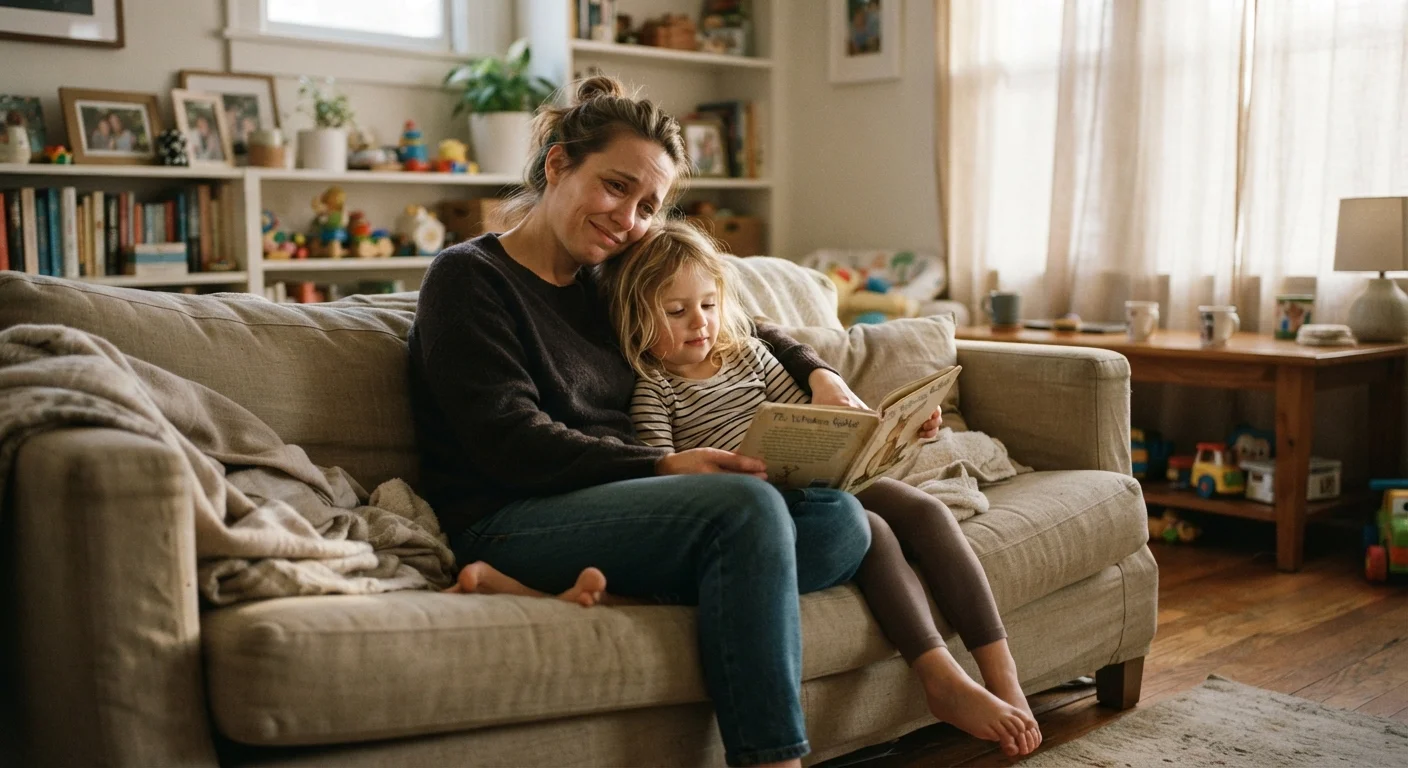
- Parents don't need to eliminate all stress - being a consistent, supportive presence matters most.
Chronic Household Stress
Chronic household stress refers to ongoing, repeated emotional or environmental tension within the home environment - such as financial hardship, caregiver conflict, or prolonged instability. Unlike brief, manageable stress, chronic stress persists over weeks or months without adequate recovery time. For children, whose brains and bodies are still developing, this type of stress can have measurable effects on health, behavior, and learning.
Researchers sometimes use the term "toxic stress" (as defined by the Center on the Developing Child at Harvard) to describe strong, frequent, or prolonged stress activation without sufficient adult support - a distinction from positive or tolerable stress that is part of healthy development.
What Stress Actually Does Inside a Child's Body
When a child faces a threat - real or perceived - the brain triggers a cascade of stress hormones, primarily cortisol and adrenaline. This is a healthy, adaptive response. The problem arises when that system is activated repeatedly without adequate downtime to recover.
The Center on the Developing Child at Harvard distinguishes between positive stress (brief, manageable challenges), tolerable stress (more serious events buffered by supportive adults), and toxic stress (prolonged activation without sufficient support). It is this third category that researchers link to measurable changes in brain architecture, immune function, sleep regulation, and the gut-brain axis.
For children specifically, the prefrontal cortex - responsible for decision-making, emotional regulation, and impulse control - is still under construction well into early adulthood. Chronic stress can interfere with how this region develops, which is one reason highly stressed children may struggle with attention, mood, and behavior in ways that look like other conditions entirely.
This Is Education, Not a Diagnosis
The information in this article is intended to help parents understand the general relationship between household stress and child health - it is not a diagnostic tool or substitute for professional medical guidance. Every child's situation is different. If you have concerns about your child's physical or emotional wellbeing, a pediatrician or licensed mental health professional is your best resource.
This is general health information, not medical advice. If you have concerns about your child's development or stress-related symptoms, please speak with a qualified healthcare professional.
Common Sources of Household Stress and Why They Matter
Household stress rarely has a single cause. For many American families, the most persistent sources include financial strain, caregiver conflict, job instability, housing insecurity, and the stress caregivers carry from their own lives. Children are remarkably attuned to the emotional climate around them - even infants show physiological responses to caregiver stress.
Financial hardship deserves particular attention because it tends to be pervasive and hard to escape. Research consistently finds that its effects on children are largely mediated through parental mental health and relationship tension - meaning the child's experience of economic stress is shaped by how adults around them are coping. This is hopeful news, because it means parental wellbeing is a meaningful lever families can work on.
If you're exploring ways to reduce financial tension in the home, resources on family budgeting strategies may help frame the conversation constructively. Separately, teaching kids about money without adding stress can transform a potential stressor into an age-appropriate learning moment.
~45%
US children experiencing at least one adverse childhood experience
According to data from the CDC and the National Survey of Children's Health, roughly 45% of children in the US have experienced at least one adverse childhood experience (ACE), which can include household economic hardship and caregiver conflict.
1 in 3
Parents reporting high levels of financial stress
The American Psychological Association's annual Stress in America surveys have consistently found that approximately one in three parents identify money and financial concerns as a significant source of household stress.
30-50%
Stress-linked sleep disruption in school-aged children
Pediatric sleep researchers estimate that a substantial proportion of sleep disturbances in school-aged children are related to psychosocial stress, though exact figures vary by study population and methodology.
Recognizing Stress in Children Who Can't Name It
Children - especially younger ones - often lack the vocabulary to say "I'm stressed." Instead, stress tends to show up in the body and in behavior. Common signs parents notice include:
- Frequent stomachaches or headaches with no identified medical cause
- Sleep difficulties - trouble falling asleep, nightmares, or early waking
- Increased irritability, clinginess, or emotional outbursts disproportionate to the trigger
- Regression to younger behaviors, such as thumb-sucking or bedwetting
- Withdrawal from friends, activities, or things they previously enjoyed
None of these symptoms are exclusive to stress - they can reflect many things, including illness or developmental shifts. That's why a conversation with your child's pediatrician is always the right next step when symptoms are persistent or concern you. What's useful for parents is recognizing these as possible signals worth paying attention to, not diagnosing.
The connection between stress, digestion, and immunity is also worth understanding - our guide to gut health, stress, and immunity explains these links in family-friendly terms.
Protective Routines That Research Actually Supports
The most reassuring finding from decades of developmental research is this: children do not need a stress-free household - they need a reliably supportive one. Even one consistently warm, present adult can meaningfully buffer a child's stress response.
Evidence-backed protective habits include:
- Predictable daily routines: Consistent mealtimes, bedtimes, and morning routines give children a sense of control and safety, which directly dampens the stress response.
- Brief but consistent connection time: Even 10-15 minutes of undivided attention daily - reading together, a walk, a shared activity - strengthens the attachment relationship that buffers stress.
- Physical activity: Regular movement helps children discharge stress hormones and supports healthy sleep, appetite, and mood regulation.
- Naming emotions without judgment: Helping children put words to what they feel builds the emotional vocabulary that supports self-regulation over time.
- Modeling manageable stress: When caregivers narrate their own coping - "I'm feeling frustrated, so I'm going to take a few deep breaths" - children learn that stress is manageable, not catastrophic.
Small Routines, Real Protection
You don't need to overhaul your household to make a meaningful difference. Research shows that even brief, consistent rituals - a shared meal, a calm bedtime routine, a daily check-in question - help regulate children's stress response systems over time. Start with one predictable anchor point in the day and build from there.
For more on how everyday family habits support child wellbeing, our evidence-based look at screen time and children offers a similarly grounded perspective on another common parenting concern.
This article is for general informational and educational purposes only and is not a substitute for professional medical advice, diagnosis, or treatment. Always consult a qualified healthcare provider with questions about your child's health or development.