

Family Health Editorial Team

Annual Well-Child Visit Checklist for Parents
Make the most of your child's yearly checkup with this practical checklist covering questi…

Antibiotics and Children: What Parents Frequently Misunderstand
Antibiotic resistance is a real concern, and overuse starts young. This article clarifies …

Building Healthy Sleep Habits from Infancy Through Elementary School
Sleep needs shift dramatically as children grow. This guide covers age-appropriate routine…

Childhood Immunization Schedules Explained
Understand what vaccines are recommended at each age, why timing matters, and what to expe…

Fever in Children: When to Watch, When to Call
Not every fever means a trip to urgent care. Here's how to gauge severity by age, recogniz…

Nutrition Labels, Portion Sizes, and Kids: What Parents Often Get Wrong
Adult serving sizes and nutritional targets don't translate directly to children. Here are…

Outdoor Play and Child Development: The Case for Less Structure
Research consistently links unstructured outdoor time to better focus, resilience, and phy…

Picky Eating vs. Problem Feeding: Understanding the Difference
Most kids go through picky phases—but some need more support. Learn the signs that disting…

Raising Kids in a High-Stress Household: How Chronic Stress Affects Child Health
Household stress can shape a child's developing nervous system and long-term health. Here'…

Reading Your Child's Growth Chart: What Pediatricians Actually Look For
Growth charts can feel confusing. Learn how percentiles work, what trends mean, and when a…

Screen Time and Kids: Separating the Research from the Panic
What does the science actually say about screens and child development? We break down what…

Signs of Childhood Vision Problems Parents Commonly Miss
Children rarely report blurry vision because they assume everyone sees the same way. Learn…

Sports and Physical Activity for Kids: Weighing Organized vs. Free Play
Structured sports and free play each offer distinct benefits and tradeoffs for children's …

Talking to Kids About Mental Health Without Creating Anxiety
Age-appropriate conversations about emotions and mental health help children build resilie…

What Every Parent Should Know Before the First Dentist Visit
The American Academy of Pediatric Dentistry recommends a first visit by age one. Here's ho…

Why Kids Need More Than Just Physical Health: Understanding Emotional Wellness
Emotional wellbeing is as important as physical health for children. Learn what emotional …

A Weekly Nutrition Audit for Families Who Want to Eat Better Without Overhauling Everything
Use this practical checklist to spot gaps in your family's eating patterns — from fruit an…

After-School Snacks: What Sustains Energy vs. What Just Fills Time
Not all snacks support focus and activity for the rest of the day. Learn what makes an aft…

Building a Weekly Meal Plan That the Whole Household Will Actually Eat
A meal plan only works if the family follows it. These practices help you build flexible, …

Family Nutrition on a Tight Budget: A Starting Point for New Planners
If you're new to meal planning or stretching a food budget, this guide covers the core pri…

Feeding Toddlers Well: A Practical Overview for Parents Starting Solids
Toddler nutrition involves texture progression, portion reality, and flavor exposure. This…
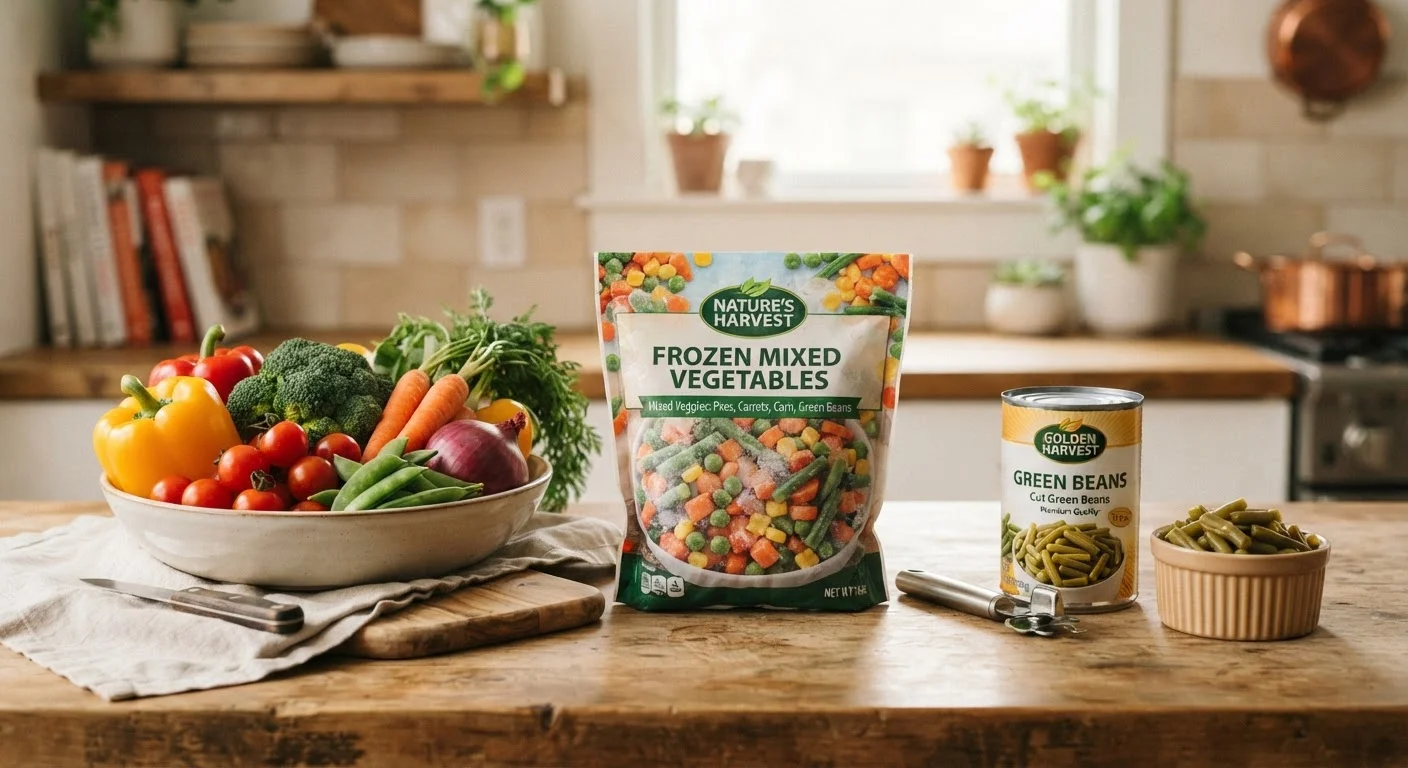
Frozen vs. Fresh vs. Canned: Which Vegetables Are Worth Buying?
Nutritional value, cost, and convenience differ across fresh, frozen, and canned produce. …

How Eating Together as a Family Shapes Children's Long-Term Food Habits
Research consistently links shared family mealtimes to healthier dietary patterns in child…
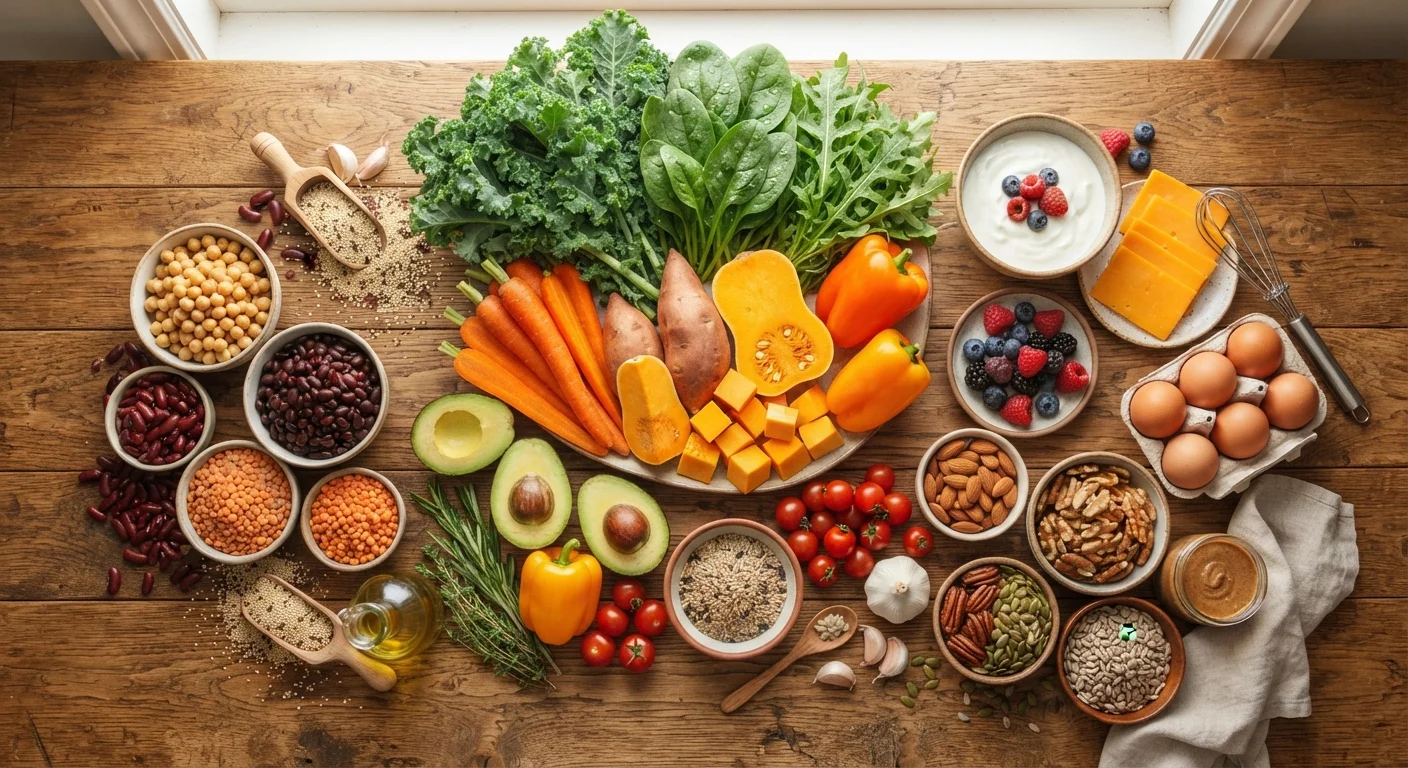
Nutrients Commonly Short in Family Diets - and Where to Find Them in Food
Iron, calcium, fiber, and vitamin D often fall below recommended levels in family eating p…

Nutrition Shortcuts That Quietly Undermine a Family's Diet
Some well-intentioned habits — like relying heavily on "fortified" foods or skipping meals…

Protein Myths Families Keep Believing - and the Evidence Behind Them
From 'kids need meat at every meal' to 'plant protein is inferior,' common protein beliefs…
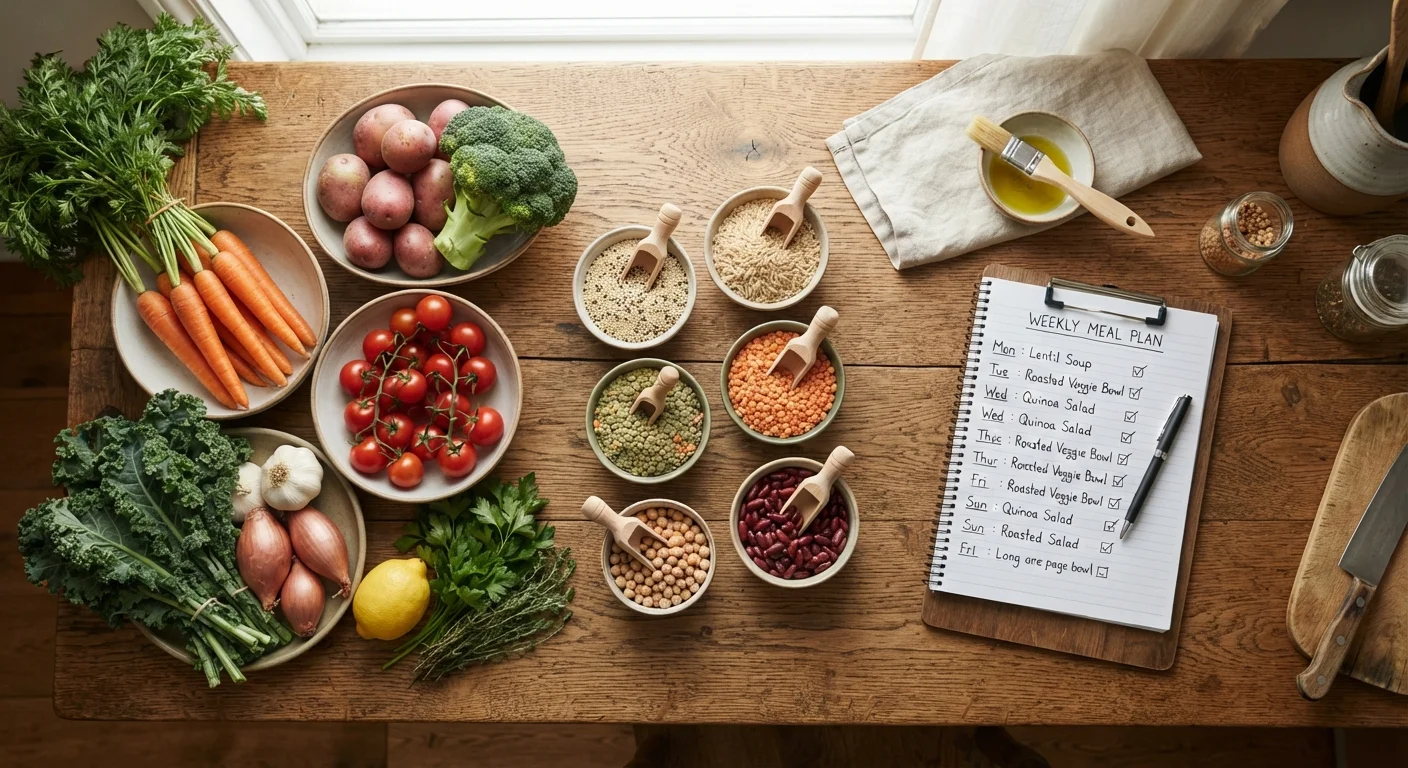
Stretching a Grocery Run Into Five Nights of Nutritious Dinners
Learn how to plan meals around a single shopping trip so your family eats well all week wi…

The Real Reason Kids Reject New Foods - And What Actually Helps
Picky eating has roots in child development, not stubbornness. Understand the science and …

Vegetables Hidden in Plain Sight: Cooking Methods That Make Them More Appealing
Roasting, blending, and pairing vegetables with familiar flavors can shift how the whole f…
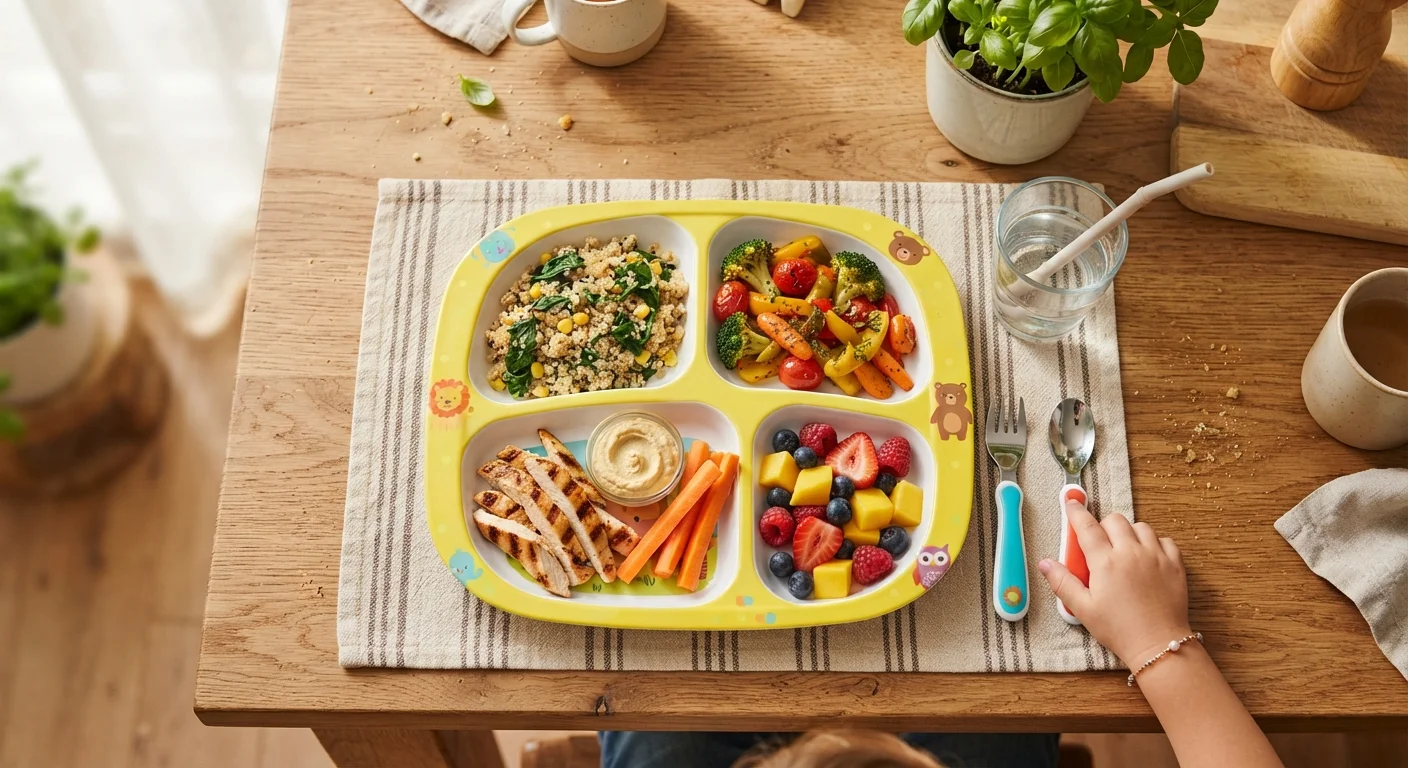
What a Balanced Plate Actually Looks Like for Kids at Every Age
Portion sizes, food groups, and nutrient needs shift as children grow. Here's what balance…
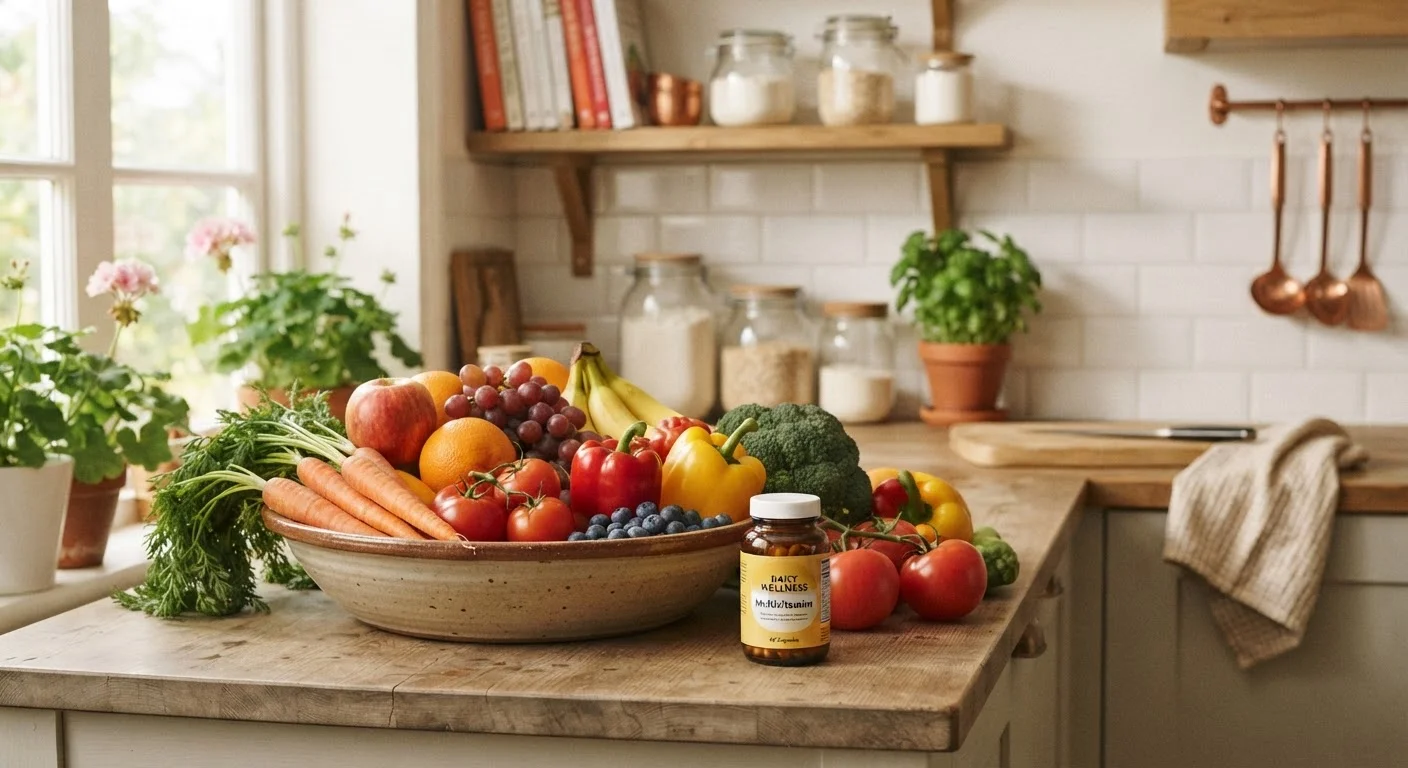
What to Know Before Adding a Daily Multivitamin to Your Child's Routine
Multivitamins are widely used but not universally necessary. Here's a balanced look at whe…

Whole Grains vs. Refined Grains: Does the Difference Matter for Growing Children?
Whole and refined grains aren't equal nutritionally, but the gap isn't always dramatic. He…
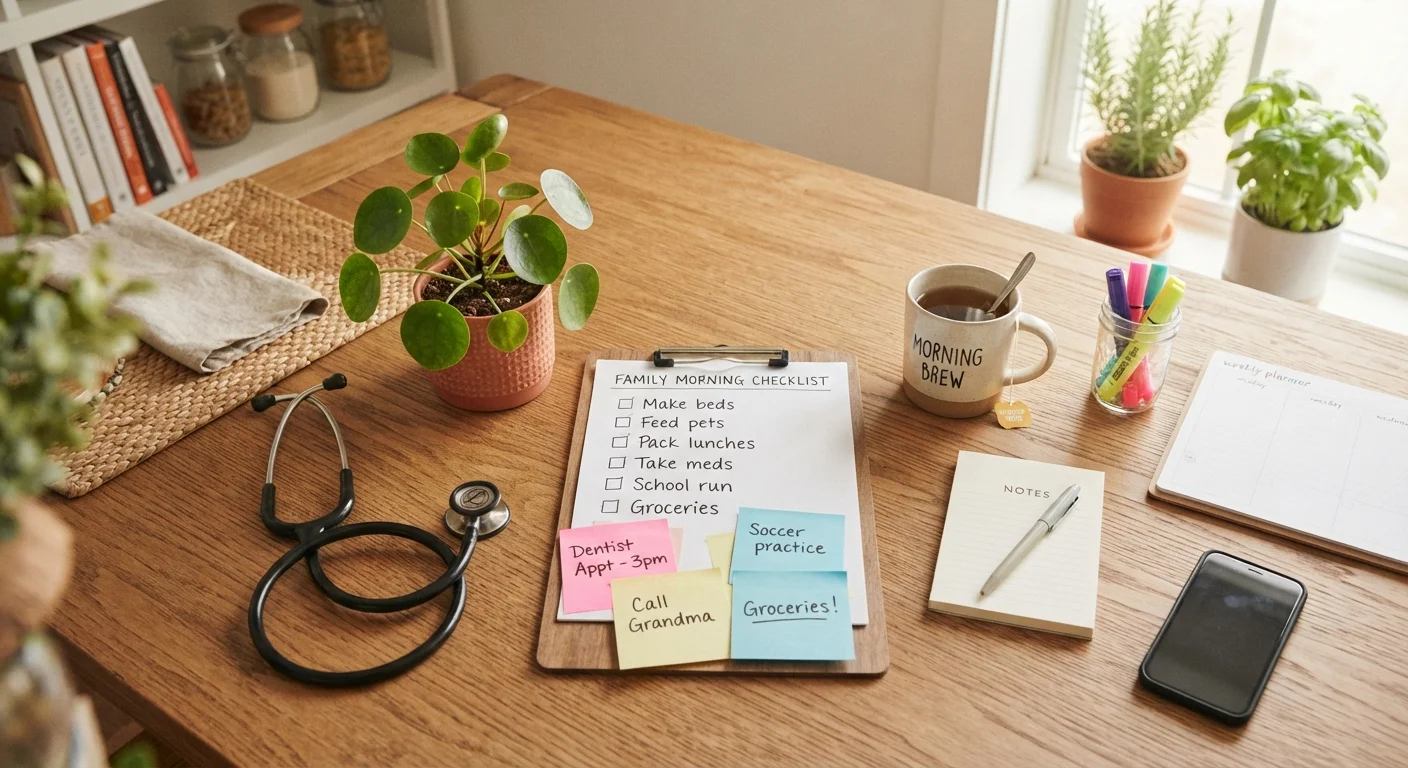
Annual Family Health Audit: A Room-by-Room, Person-by-Person Checklist
Use this structured checklist to review screenings, dental visits, vision checks, mental w…

Building a Morning Routine That Sets Your Family's Health on Autopilot
A consistent morning routine can anchor sleep, nutrition, and movement habits. Here's how …

Gut Health, Stress, and Immunity: How They're More Connected Than Most Families Realize
The links between digestive health, chronic stress, and immune function are well-documente…

Handwashing, Vaccines, and Sleep: What the Science Says About Everyday Prevention
Some common health habits are backed by strong evidence; others less so. This myth-vs-fact…

Making Preventive Habits Stick When Life Gets Chaotic
The gap between knowing a habit helps and actually maintaining it is real. These evidence-…

Mental Health as Preventive Care: What Families Often Overlook
Preventive health isn't only physical. Learn why emotional well-being belongs in your fami…

Preventive Health for Families on a Tight Budget
Many of the most effective preventive health habits cost little or nothing. This guide cov…

Preventive Screenings Every Family Should Know About by Age
A clear reference covering recommended health screenings for children, teens, adults, and …

Reactive vs. Preventive Health Care: Understanding the Difference
Most families mix reactive and preventive care without realizing it. See how these two app…

Sleep, Movement, and Nutrition: The Three Pillars of Family Wellness
Explore how sleep, physical activity, and balanced eating work together — and practical wa…

Small Daily Habits With Outsized Long-Term Health Benefits
From consistent bedtimes to brief walks after meals, certain small routines deliver dispro…

Teaching Kids Preventive Habits That Actually Last Into Adulthood
Habits formed in childhood tend to persist. Learn which preventive routines to introduce a…

The Case for Family Health Routines: Benefits, Limitations, and Realistic Expectations
Preventive routines offer real advantages — but they also have limits. A balanced look at …
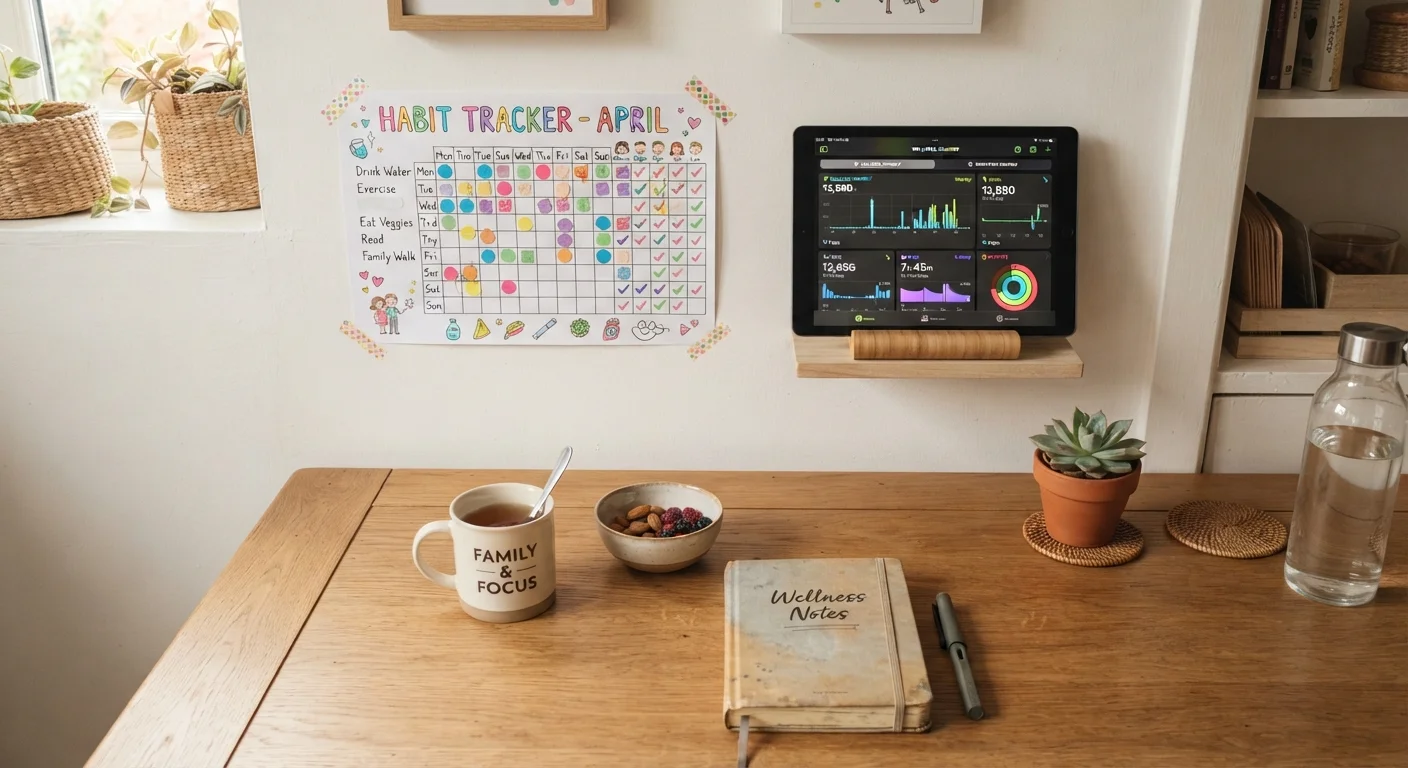
Tracking Family Health Habits: Paper Charts vs. Digital Apps
Both paper-based tracking and digital tools have genuine strengths for building family hea…

What Preventive Health Actually Means for Families
Preventive health is more than annual checkups. Learn what the term really covers and why …

Why Your Family Keeps Skipping Preventive Care - and What to Do About It
Busy schedules, cost concerns, and denial are the top reasons families delay preventive ha…