

Key Takeaways
- Closing down your garden properly in fall reduces plant losses and soil erosion over winter.
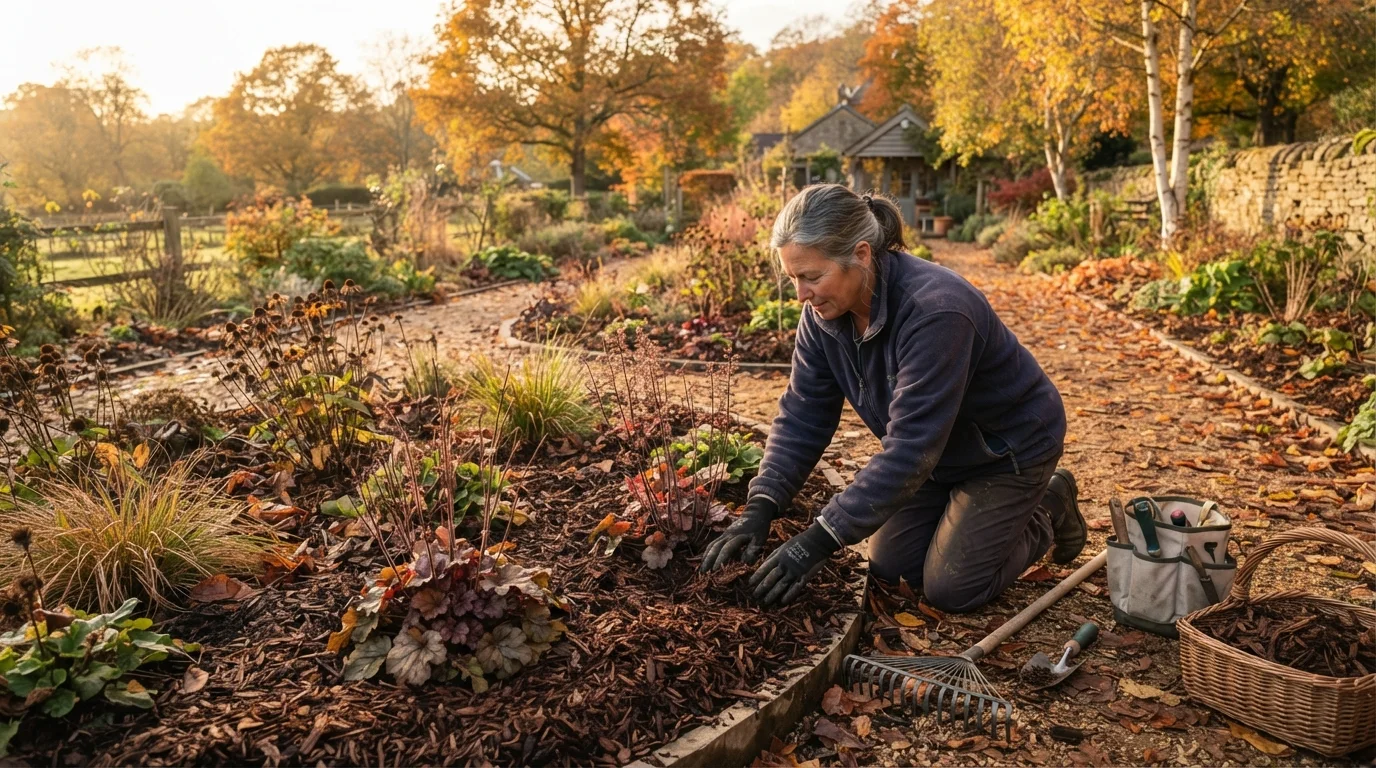
- Mulching beds after the ground cools is one of the highest-impact tasks you can do.
- Draining irrigation lines and hoses before the first hard freeze prevents costly burst damage.
- Dividing and transplanting perennials in fall gives them a strong head start in spring.
- Storing tools cleaned and dry extends their lifespan significantly.
- A consistent fall routine saves money by preventing problems rather than fixing them.
Summary
22 items · 2-4 hours spread over one weekend
Why Fall Garden Closedown Matters
Skipping fall garden prep is one of the most common-and costly-mistakes homeowners make. Plants left without protection, soil left bare, and irrigation lines left full of water can all lead to losses that are far more expensive to address in spring than to prevent now. A structured closedown also sets up next year's growing season for better results from the very first warm day.
This checklist is designed to work for most US climate zones, though your local first-frost date will shape your timing. If you're unsure when to expect your first hard freeze, your county cooperative extension office is a reliable resource. Pair this list with the seasonal home maintenance calendar to keep your whole property on track as temperatures drop.
Plants and Beds
Soil and Mulch
Lawn Care
Irrigation and Water Features
Structures and Containers
Tools and Equipment
Tools and Supplies You'll Need
Before you start working through the checklist, gather your supplies. Having everything on hand prevents repeated trips to the garage and keeps the job moving efficiently.
Garden fork or spade
Used to divide perennials, dig up tender bulbs, and turn compost into beds.
Mulch (shredded leaves, straw, or wood chips)
Applied over beds to insulate soil and prevent frost heave damage to plant roots.
Pruning shears and loppers
Needed to cut back dead annuals and trim woody perennial stems cleanly.
Leaf rake
Used to clear fallen leaves from lawn and bed surfaces efficiently.
Garden hose blow-out adapter or air compressor
Required to purge water from in-ground irrigation lines before freezing temperatures arrive.
Soil test kit
Measures pH and basic nutrient levels so you know what amendments to add over winter.
Wire brush and linseed oil
Used to clean rust from metal tools and condition wooden handles for storage.
For broader cold-weather home prep beyond the garden, see our guide on weatherproofing your home before winter-it covers pipe protection, draft sealing, and heating system checks that complement your outdoor work.
Don't Skip Irrigation Drainage
Even a single overnight freeze can burst irrigation pipes and fittings left full of water, leading to repairs that can cost several hundred dollars or more. If you have an in-ground system with a backflow preventer or complex zone setup and you're unsure how to purge it, consider hiring an irrigation professional for this one task-it's money well spent compared to the alternative.
Mulching Too Early Can Cause Problems
Applying mulch while soil is still warm can encourage rodents to nest against plant crowns and may promote fungal disease. Wait until after several hard frosts have cooled the soil before laying your winter mulch layer.
How to Use This Checklist
Work through the checklist in the order shown-it follows a logical sequence from plants and soil to structures and tools. Tackle the must items first on your initial pass; if you have time and energy remaining, move on to should and nice-to-have tasks. Most households can complete the core items across a single weekend morning.
Once you've finished the garden, it's worth doing a quick room-by-room home walkthrough to catch any structural issues before winter. And for a longer-term view of what else your yard needs each season, the seasonal yard maintenance guide provides helpful context on why each task matters over time.
This article is for general informational purposes only. Local climate conditions, soil types, and plant varieties vary significantly. Consult your local cooperative extension service or a licensed landscape professional for advice tailored to your specific region and garden.