

Key Takeaways
- Most litter box problems have a fixable cause: location, cleanliness, box type, or a medical issue.
- A cat avoiding the litter box is communicating something - punishment makes the problem worse, not better.
- Veterinary evaluation is essential when elimination changes happen suddenly, as illness is often the root cause.
- Simple adjustments to box placement, litter type, and cleaning frequency resolve many avoidance cases.
Why This Problem Matters More Than You Might Think
Litter box avoidance is one of the leading behavioral reasons cats are surrendered to shelters - which makes it one of the most important issues for cat owners to understand. The good news: in most cases, the behavior has a clear, addressable cause. Your cat isn't being spiteful or difficult. Cats instinctively prefer to eliminate in a clean, private, accessible spot. When they stop using the box, they're telling you something in the only language available to them.
Understanding what's driving the avoidance is the first step. This article breaks down the most common mistakes owners make - and what you can do instead. For a broader look at feline behavior signals you might be misreading, our behavior decoder covers many of the same communication patterns at play here.
Sudden Changes Always Need a Vet Check
If a cat that previously used the litter box reliably suddenly stops - especially if straining, vocalizing, or producing little to no urine - treat it as a potential medical emergency. Feline urinary blockages, in particular, can become life-threatening within hours. Don't troubleshoot the box setup until illness has been ruled out by a veterinarian.
The Most Common Litter Box Mistakes - and How to Fix Them
Most cases of litter box avoidance trace back to a handful of predictable errors. Work through these systematically before assuming the worst.
Not cleaning the litter box frequently enough.
Why it happens: Many owners assume once-a-day scooping is sufficient, or they underestimate how quickly odor accumulates - especially in multi-cat homes.
Using the wrong type of litter - or switching it suddenly.
Why it happens: Owners often choose litter based on their own preferences (scent, dust level, price) rather than what cats tend to favor, and may swap brands without a gradual transition.
Not having enough litter boxes for the number of cats.
Why it happens: The general guideline - one box per cat, plus one extra - is widely shared but often ignored because it feels excessive, especially in smaller homes.
Placing the litter box in a loud, high-traffic, or hard-to-reach location.
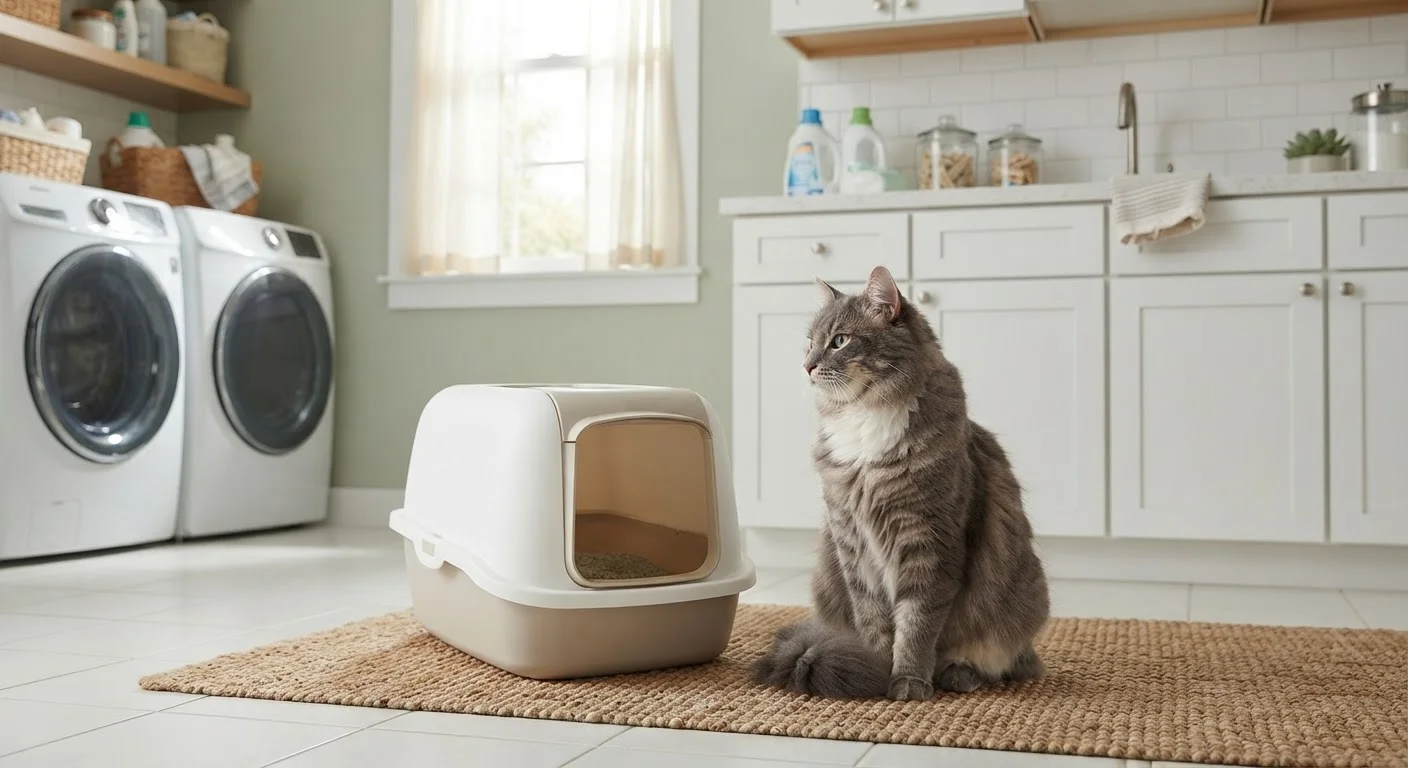
Why it happens: Owners often tuck the box in an out-of-the-way corner for their own convenience - near the washing machine, in a basement, or behind a door that sometimes closes.
Using a covered box when the cat prefers open, or vice versa.
Why it happens: Covered boxes look tidier and help contain odors for humans, so owners default to them without testing whether their cat accepts the design.
Responding to accidents with punishment rather than investigation.
Why it happens: It's a natural human reaction to express frustration, and some owners still believe scolding or rubbing a cat's nose in the mess teaches a lesson.
#1
Behavioral reason cats are surrendered to shelters
Litter box issues are consistently cited by shelter intake surveys as the leading behavioral cause of cat relinquishment in the United States.
14x
More sensitive: a cat's sense of smell vs. a human's
Veterinary behaviorists note this stark difference to explain why scented litters and infrequent cleaning are far more disruptive to cats than owners typically realize.
When the Problem Goes Deeper: Stress and Health
Sometimes the litter box isn't the problem at all - it's what's happening around it. Cats are highly sensitive to household stress: a new pet, a move, construction noise, or changes in routine can all trigger elimination issues. If your cat recently started avoiding the box and nothing in the setup has changed, consider what has changed in their environment. Our guide to building a low-stress home for anxious cats offers practical room-by-room strategies that can help.
Health conditions are the other major culprit. Urinary tract infections, kidney disease, diabetes, and arthritis (which makes climbing into a high-sided box painful) can all change where and how often a cat eliminates. A sudden change in litter box behavior - especially if paired with straining, crying, blood in urine, or frequent trips to the box with little output - warrants a veterinary visit promptly. Don't wait to see if it resolves on its own. You'll also find it worthwhile to separate fact from fiction on cat health; this breakdown of common cat health myths may shift a few assumptions you didn't know you had.
This article is for general informational purposes and does not constitute veterinary advice. If your cat is showing signs of illness or sudden behavioral changes, please consult a licensed veterinarian.