

Key Takeaways
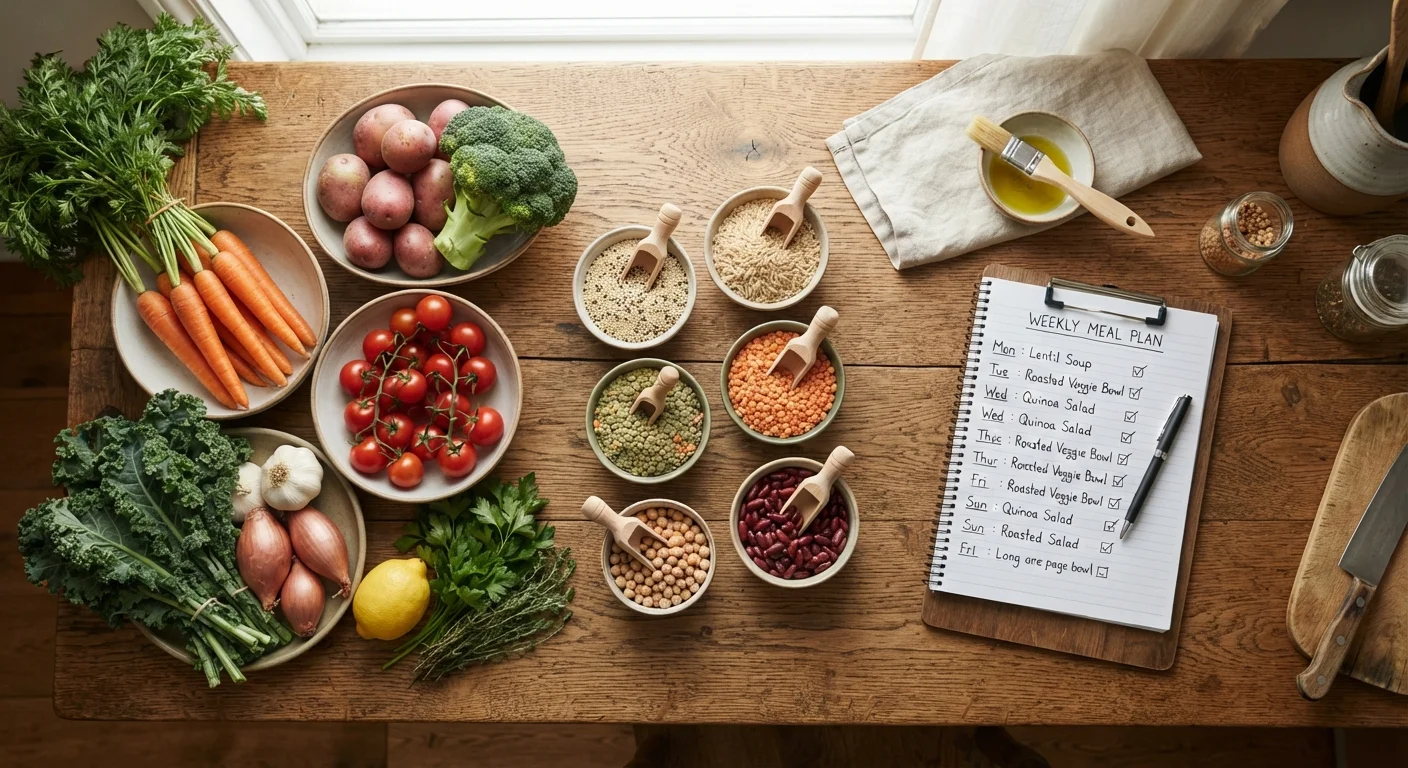
- Choosing a few versatile proteins and vegetables allows them to work across multiple meals throughout the week.
- Planning meals before you shop reduces impulse purchases and cuts food waste significantly.
- Batch-cooking a grain or legume once saves time and effort on three or four subsequent dinners.
- Frozen and canned produce carry comparable nutrition to fresh and cost less per serving.
- A flexible meal map keeps the whole family on board with home cooking without feeling rigid.
What you will need
Why One Shopping Trip Can Cover a Full Week
The idea of stretching a single grocery run into five nourishing dinners isn't about cutting corners - it's about shopping with intention. When you know how ingredients will flow from one meal to the next, you buy exactly what you need, waste very little, and spend far less time wondering what's for dinner at 5 p.m.
If you're just getting started with this approach, the foundational principles of budget-friendly family nutrition are a useful starting point before you plan your first week. Once you have the basics in place, the process becomes genuinely quick - typically 20 to 45 minutes of planning before you ever reach the store.
The core strategy rests on three pillars: selecting anchor ingredients that appear in multiple meals, building around affordable nutrition staples (whole grains, legumes, frozen vegetables), and allowing enough flexibility that the plan doesn't collapse when Tuesday looks nothing like you expected.
What you will need
What You Need Before You Start
Gather these basics before building your weekly plan. Having the right tools and a clear picture of what's already in your kitchen prevents duplicate purchases and helps you spot natural meal combinations faster.
Pantry inventory list
Tracks what staples (oils, spices, canned goods, grains) you already have so you don't rebuy them.
Weekly meal map template
A simple grid - five dinners, one column each - helps you see ingredient overlaps at a glance.
Large pot or Dutch oven
Used for batch-cooking grains or legumes that will serve as a base across multiple meals.
Airtight storage containers
Keep batch-cooked proteins, grains, and prepped vegetables fresh in the fridge for three to four days.
Sheet pan
Roasting vegetables in bulk at the start of the week saves daily prep time and improves flavor.
Building Your Five-Night Plan Step by Step
Follow these steps in order the first time. After a couple of weekly cycles, the process will feel natural and take far less mental effort.
Choose two anchor proteins
Select two affordable proteins that can each appear in two or more meals. Good examples include dried or canned beans (which work in soups, grain bowls, and tacos), bone-in chicken thighs (which yield both meat and broth), eggs, canned fish, or ground turkey. Aim for variety between the two so meals feel distinct even when they share an ingredient.
Pick one whole grain to batch-cook
Brown rice, farro, barley, and whole-wheat pasta are all affordable, filling, and easy to reheat. Cook a large batch at the start of the week - typically four to six cups dry - and refrigerate it in portions. This single cook session can underpin three or four dinners as a side, a bowl base, or a soup add-in.
Select three to four versatile vegetables
Choose vegetables that appear in your planned meals AND hold up well over several days. Sturdy options include cabbage, carrots, sweet potatoes, bell peppers, broccoli, and onions. Supplement with one bag of frozen vegetables (peas, corn, or spinach) and one or two canned options (diced tomatoes, chickpeas) to keep costs low without sacrificing nutrition.
Map the five meals before writing your list
Write out five dinner slots and fill them in using your chosen proteins, grains, and vegetables. Look for natural bridges - for example: Monday's roasted chicken thighs become Wednesday's chicken and rice soup using the saved broth, while the batch-cooked grain anchors Tuesday's grain bowl and Thursday's stuffed pepper. This mapping step reveals exactly what you need and nothing more.
Write your shopping list by category
Organize your list by store section - produce, protein, dairy, dry goods, frozen - rather than by meal. This prevents backtracking in the store and makes it easier to spot where you can substitute a less expensive option. Cross-reference your pantry inventory so you don't purchase duplicate spices, oils, or canned goods already on hand.
Do one prep session after shopping
Spend 30 to 45 minutes after your shopping trip washing and chopping vegetables, starting a grain batch, and dividing proteins into portions. Label containers with the intended meal so anyone in the household can help assemble dinner. This single prep session compresses daily cook time to 15-20 minutes on most weeknights.
For more ideas on keeping the household engaged with whatever you plan, see building a weekly meal plan the whole family will actually eat.
Making Nutrition Work Inside a Real Budget
A common concern is whether budget cooking can actually meet a family's nutritional needs. The short answer, grounded in USDA dietary guidance, is yes - particularly when meals are built around a varied mix of protein sources, whole grains, and vegetables in any form.
Frozen and canned vegetables are nutritionally comparable to fresh in most cases; the differences between fresh, frozen, and canned produce come down to cost, convenience, and specific use rather than a meaningful gap in vitamins or minerals. Leaning on these forms frees up budget for fresh items where texture or flavor matters most, such as salad greens or fruit.
If getting more vegetables onto plates is a challenge with younger eaters, cooking methods that make vegetables more appealing - roasting, blending into sauces, pairing with familiar flavors - can help without requiring separate meals or complicated prep. For deeper strategies on reducing the grocery bill while maintaining quality, grocery budget strategies that hold up in real family kitchens offers tested, practical approaches.
Let Flexibility Protect the Plan
A meal map works best when it's a guide rather than a contract. If Wednesday's soup doesn't happen, shift it to Thursday - the batch-cooked ingredients stay fresh. Rigid adherence to a specific night is rarely necessary and often leads families to abandon planning altogether when life intervenes.
Once your family has settled into a rhythm with weekly planning, a simple weekly nutrition audit can help you spot any consistent gaps - whether that's not enough variety in vegetables, low fruit intake, or skipped breakfasts - without overhauling everything at once.
This article is for general informational purposes only and is not a substitute for advice from a registered dietitian or qualified healthcare professional. Individual nutritional needs vary; consult a professional for guidance specific to your family's health circumstances.