

Key Takeaways
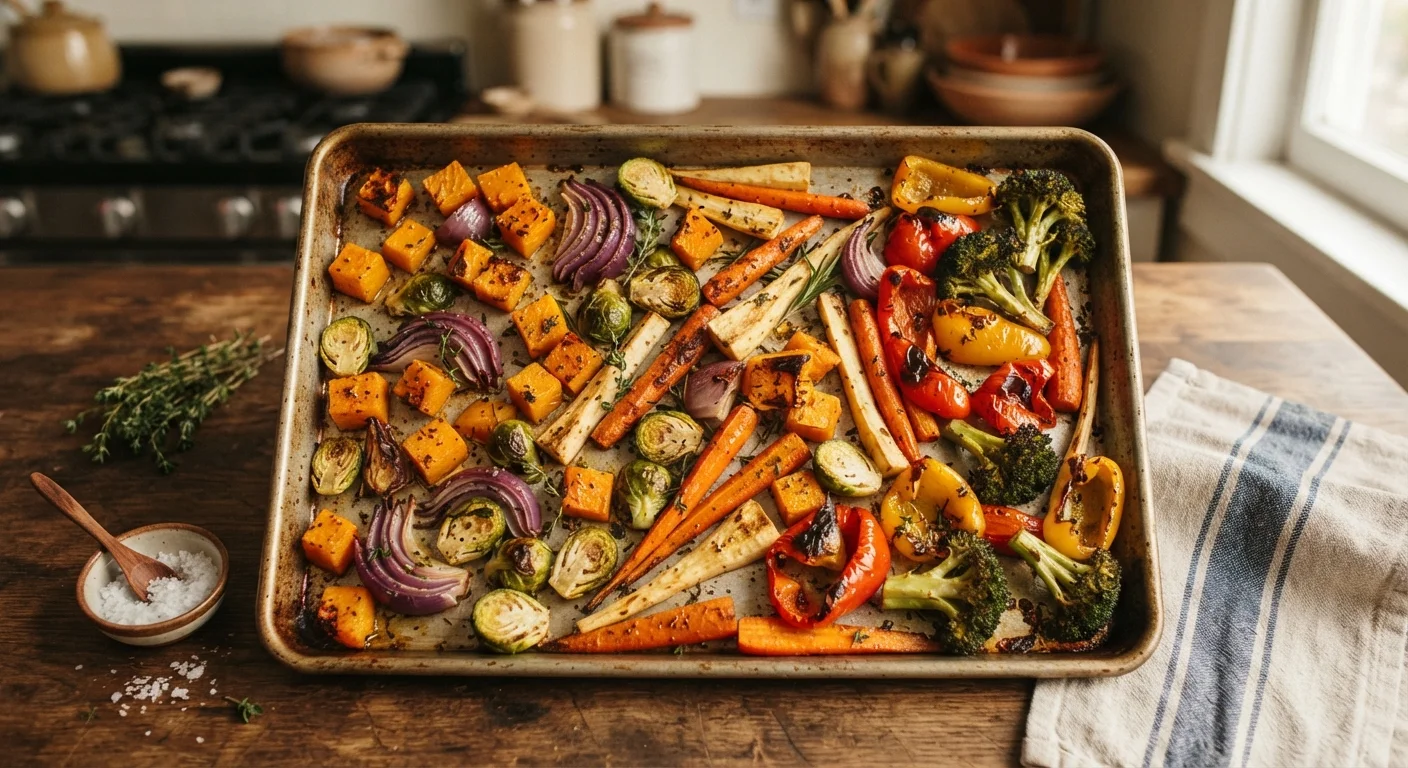
- Roasting at high heat caramelizes natural sugars, making vegetables noticeably sweeter and more palatable.
- Blending vegetables into sauces, soups, and smoothies adds nutrients without drastically altering familiar flavors.
- Pairing vegetables with foods kids already enjoy builds positive associations over time.
- Frozen and canned vegetables offer comparable nutrition to fresh at a lower cost.
- Consistent, low-pressure exposure works better long-term than hiding vegetables entirely.
- Involving children in simple food prep can meaningfully improve their willingness to try new vegetables.
What you will need
Why Cooking Method Changes Everything
Most vegetable resistance - in children and adults alike - isn't really about the vegetable itself. It's about a specific preparation: the grey-green boiled broccoli that smells strong and tastes bitter, or the limp carrot that offers no textural satisfaction. The good news is that the same vegetable prepared differently can read as an entirely different food.
Heat transforms vegetables chemically. Roasting, for example, draws out moisture and concentrates flavor while caramelizing natural sugars - producing a result that tastes notably sweeter and richer than steaming or boiling. Understanding this principle means you don't need to convince anyone to like vegetables in the abstract; you just need to find the right technique for each one.
These strategies are most effective as part of a consistent family food environment. If you're also thinking about how your grocery spending affects what you serve, our grocery budget strategies offer practical ways to keep vegetables affordable and accessible without overhauling your kitchen routine.
This Is Information, Not Medical Advice
The guidance in this article is general nutritional education for families and is not a substitute for personalized advice from a registered dietitian, pediatrician, or other qualified healthcare provider. If your child has feeding difficulties, food allergies, or a medical condition that affects eating, please consult a healthcare professional before making significant dietary changes.
What You'll Need to Get Started
You don't need specialized equipment or a lengthy shopping list. The techniques below rely on tools most family kitchens already have and ingredients that are available in fresh, frozen, or canned form - all of which can work depending on your budget and what's on hand.
What you will need
Rimmed baking sheet
Allows vegetables to roast evenly with proper air circulation and caramelization.
Blender or immersion blender
Purees vegetables smoothly into soups, sauces, and smoothies.
Sharp chef's knife
Cuts vegetables into uniform pieces for even cooking.
Sheet pan liner or parchment paper
Prevents sticking and makes cleanup easier when roasting.
Box grater
Finely grates vegetables like zucchini or carrots for blending into batters or meat mixtures.
Stretch Your Vegetable Budget Further
You don't need to buy every vegetable fresh. Frozen, canned, and fresh vegetables each have their place in a family kitchen. Frozen spinach blends seamlessly into sauces, and canned tomatoes are ideal for long-cooked dishes - both at a fraction of the cost of fresh.
If you're interested in growing some of your own produce, starting a vegetable garden from scratch is more accessible than most people expect, even in a small outdoor space.
Step-by-Step: Techniques That Work
Choose the right vegetables for each method
Not every vegetable responds the same way to every cooking method. Dense root vegetables - carrots, sweet potatoes, beets, parsnips - roast exceptionally well. Leafy greens like spinach and kale blend smoothly into sauces and soups. Zucchini and cauliflower are among the most versatile: they can be roasted, blended, or grated into other dishes with minimal flavor intrusion.
Start with one or two vegetables your family already tolerates, then expand gradually. Familiarity lowers resistance.
Roast at high heat to develop natural sweetness
Preheat your oven to 400-425°F. Cut vegetables into roughly even pieces, toss with a light coating of olive oil, and spread them in a single layer on a rimmed baking sheet - crowding causes steaming rather than caramelization. Season simply with salt and any spices your family already enjoys.
Roast until the edges are visibly golden and slightly crisp, typically 20-35 minutes depending on the vegetable. The high heat triggers the Maillard reaction and caramelizes natural sugars, producing a depth of flavor that raw or boiled vegetables rarely achieve.
Blend vegetables into sauces, soups, and smoothies
Blending is one of the most practical ways to increase vegetable variety for selective eaters. Cooked spinach, zucchini, or butternut squash can be pureed directly into tomato sauce, macaroni cheese sauce, or lentil soup without significantly changing the color or taste. Similarly, frozen cauliflower blends into a creamy base for soups.
For smoothies, frozen spinach and mild-flavored greens disappear almost entirely behind fruit - mango, banana, and pineapple are particularly effective at masking bitterness.
Grate or finely chop vegetables into familiar dishes
A box grater makes it easy to fold finely shredded vegetables into dishes where they become nearly invisible in both texture and flavor. Grated zucchini disappears into meatballs, burger patties, and baked goods. Finely diced mushrooms mixed into ground meat take on the same texture as the meat itself. Shredded carrots blend seamlessly into chili, meat sauce, or baked muffins.
This approach works well as part of a longer-term strategy - the goal isn't permanent concealment but gradual exposure while the whole family gets more vegetables in their diet.
Pair new vegetables with flavors already loved
Acceptance of new foods increases significantly when they're served alongside familiar, preferred foods. Offer roasted broccoli next to a dinner everyone already enjoys. Serve new vegetables with a dipping sauce - hummus, yogurt-based ranch, or mild salsa - that your family already likes. The comfortable context reduces the perceived risk of trying something unfamiliar.
Repeated low-pressure exposure over time is one of the most evidence-supported strategies for expanding children's food preferences, according to pediatric nutrition research.
Involve children in age-appropriate food preparation
Children who help prepare food are measurably more likely to try it. Even young children can wash vegetables, tear greens, or stir ingredients. Older children can help with measuring, peeling, or assembling dishes. The act of handling food in a non-pressured context builds curiosity and a sense of ownership over the meal.
This also pairs naturally with other family habits - shared family mealtimes have been consistently linked to healthier dietary patterns in children. Cooking together extends that positive dynamic into meal preparation itself.
Avoid Making Mealtimes a Battle
Pressuring children to eat vegetables or using food as reward or punishment can backfire and create lasting negative associations with healthy foods. Research from the American Academy of Pediatrics suggests a division of responsibility - parents decide what is offered, children decide how much they eat. Keep the atmosphere calm and positive.
Keeping It Sustainable for Your Family
The goal of these techniques isn't to hide vegetables indefinitely - it's to reduce friction while building broader food familiarity over time. As children grow accustomed to vegetables appearing in meals they enjoy, their tolerance and curiosity tend to expand naturally. Moving toward more visible preparations (roasted alongside a meal, served in a salad) becomes easier once that foundation is in place.
A few realistic expectations help: progress is gradual, setbacks are normal, and a child refusing a vegetable once doesn't mean they'll refuse it forever. Consistent, relaxed exposure - not pressure - is what the evidence supports.
For ideas on weaving these meals into a broader weekly plan without overcomplicating shopping, see stretching a grocery run into five nights of nutritious dinners. And if you're curious about habits that can quietly work against good nutrition despite good intentions, nutrition shortcuts that undermine a family's diet is worth a read.
This article is for general informational and educational purposes only and does not constitute medical or nutritional advice. Please consult a qualified healthcare provider or registered dietitian for guidance specific to your child's or family's health needs.