

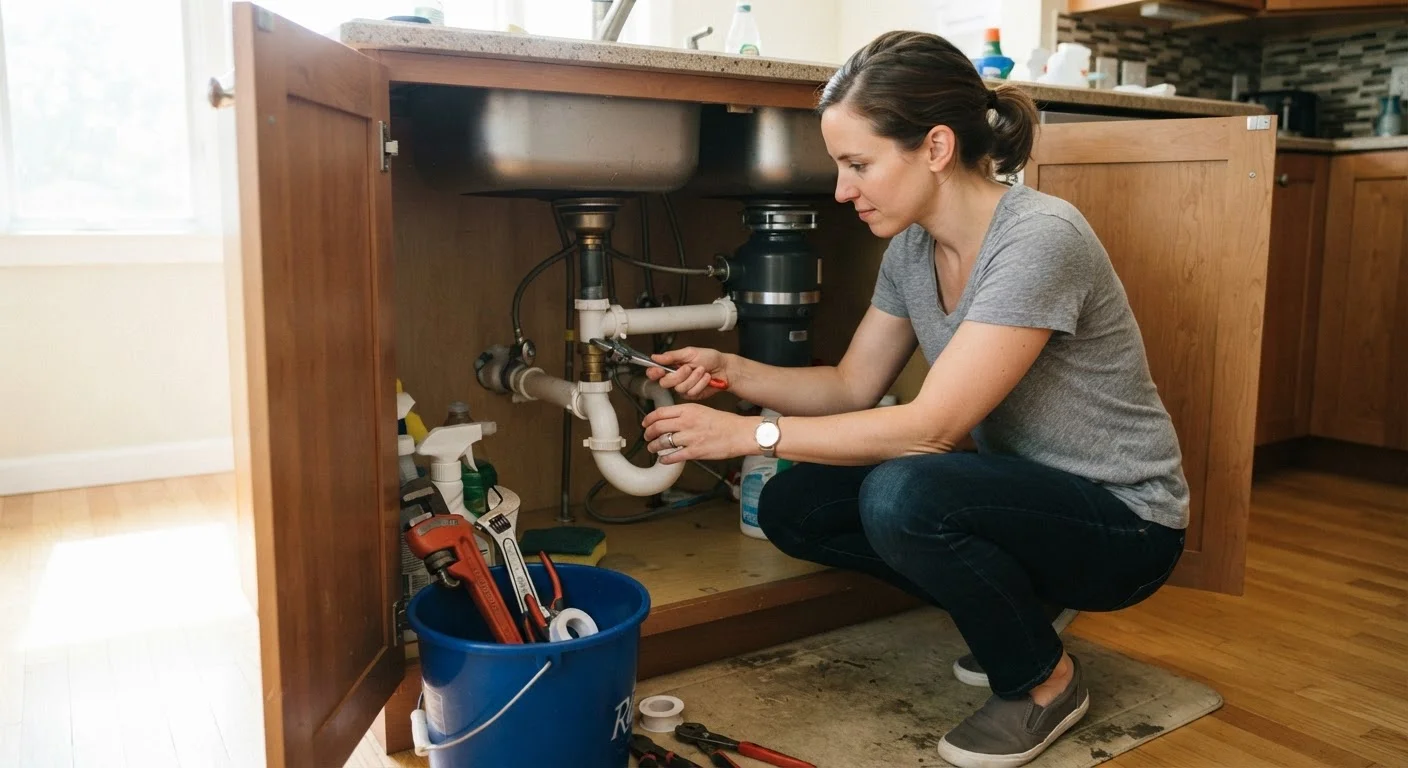
Key Takeaways
- Leaky faucets, running toilets, and slow drains are generally safe DIY plumbing repairs for most homeowners.
- Jobs involving main supply lines, gas-adjacent pipes, or permits typically require a licensed plumber.
- A wrong DIY fix can cost more to correct than the original professional repair would have.
- Having the right tools and knowing your home's shut-off valve location are essential before starting any plumbing work.
- When in doubt, getting a professional estimate first costs nothing and can confirm whether DIY is realistic.
Our Verdict
DIY plumbing is genuinely worthwhile for common, low-stakes tasks - it builds real skills and saves meaningful money. But the moment a job touches supply lines, drain stacks, permits, or anything hidden inside walls, the cost of a mistake outweighs the savings. Most homeowners will benefit from doing simple repairs themselves while keeping a licensed plumber's number on hand for anything more complex.
| Best for | Recommended |
|---|---|
| Confident beginners with basic tools | DIY plumbing fixes |
| Complex, code-regulated, or structural plumbing work | Licensed plumber |
| Homeowners unsure of the repair scope | Professional assessment first, then decide |
Why the DIY vs. Pro Decision Matters in Plumbing
Plumbing sits in an awkward middle ground for most homeowners: some tasks are genuinely straightforward, while others carry risks - water damage, code violations, or voided warranties - that can quietly multiply your costs. Unlike painting a wall, a plumbing mistake can soak a subfloor, grow mold inside a cabinet, or trigger a homeowner's insurance dispute.
The good news is that the line between reasonable DIY and professional territory is fairly clear once you know what to look for. See our practical framework for weighing DIY vs. hiring a contractor for a broader approach to making these calls across all home repair types.
| DIY Plumbing | Licensed Plumber | |
|---|---|---|
| Typical cost | Parts cost only ($5-$80) | Labor + parts ($100-$500+) |
| Best for | Simple fixture repairs, clogs | Complex, structural, or permitted work |
| Skill required | Basic mechanical aptitude | Licensed trade certification |
| Risk if done wrong | Water damage, wasted time | Usually none - guaranteed work |
| Permit handling | Not applicable for minor repairs | Manages permits when required |
| Time to complete | Variable; depends on experience | Typically faster, specialized tools |
Plumbing Jobs Most Homeowners Can Tackle
These repairs are well within reach for someone willing to watch a few instructional videos, buy the right parts, and work methodically. Always start by locating and shutting off the water supply - either at the fixture's stop valve or the whole-house main.
- Leaky faucets: Most dripping faucets need a worn washer, O-ring, or cartridge replaced. Parts are inexpensive and widely available. The job typically takes under an hour with basic tools.
- Running toilets: A toilet that runs constantly usually has a failing flapper, a misadjusted float, or a worn fill valve. Replacement kits are straightforward to install and can stop significant water waste.
- Slow or clogged drains: A drain snake or hand auger clears most sink and tub clogs without chemicals. For more detail on what to watch out for, see common DIY mistakes homeowners make with drain repairs.
- Replacing a showerhead or faucet fixture: Swapping like-for-like fixtures on existing supply lines is low-risk - no cutting pipe required.
- Installing a toilet flapper or fill valve: These components are designed for homeowner replacement; no soldering or special licensing needed.
For a fuller list of upkeep tasks you can own yourself, see plumbing maintenance tasks homeowners can handle themselves.
Always Know Your Shut-Off Valve Location
Before starting any plumbing repair, locate your home's main water shut-off valve. It's usually near the water meter, in a utility room, or on an exterior wall. Test it periodically to make sure it actually closes fully - a valve that hasn't been turned in years can seize. Knowing where it is and that it works can prevent a small leak from becoming a flood.
When to Call a Licensed Plumber
Some plumbing work falls outside what a capable homeowner should attempt - not because it's intellectually difficult, but because the consequences of error are severe and some jobs are legally required to be done by licensed professionals.
- Main water line repairs or replacements: Anything involving the line between the street and your home requires permits and specialized equipment.
- Sewer line issues: Root intrusion, collapsed pipes, or backflow problems need camera diagnostics and professional repair.
- Water heater installation: Gas connections and pressure relief valves carry real safety risks; most jurisdictions require a permit and inspection.
- Any work inside walls or floors: Cutting into supply lines hidden in finished surfaces raises the stakes dramatically - a small error can cause hidden water damage for months.
- Pipe soldering or large-scale repiping: These require specialized tools, materials knowledge, and typically permits.
Don't Skip Permits on Regulated Work
Installing a water heater, adding new supply lines, or making changes to a drain-waste-vent stack often requires a permit in most US jurisdictions. Unpermitted plumbing work can complicate your homeowner's insurance coverage and create disclosure obligations when you sell. Always check with your local building department before starting any project that goes beyond simple fixture repair.
When you're uncertain about scope, getting a professional estimate is almost always free and helps you understand whether the job is truly DIY-appropriate. This is a principle that applies broadly - the same logic holds when deciding which car repairs are safe to do yourself.
Counting the Real Cost of Each Approach
DIY plumbing saves money when the repair goes smoothly - a $15 flapper kit versus a $150 service call is a clear win. But cost math shifts when problems arise. A cross-threaded connection on a supply line, discovered after you've reassembled the cabinet, can mean water damage, mold remediation, and a higher plumber bill than the original quote.
Factor in these often-overlooked costs before deciding:
- Tool rental or purchase
- A drain snake, basin wrench, or pipe cutter may be needed and aren't always on hand.
- Time
- A repair you estimate at one hour can stretch to an afternoon once parts don't fit or a rusted fastener won't budge.
- Permit requirements
- Unpermitted work can create problems when selling your home or filing an insurance claim.
- Mistake correction
- A plumber fixing your DIY repair - on top of the original issue - is consistently the most expensive outcome.
Being honest about your skill level, available tools, and risk tolerance is part of the broader balanced reality of taking on DIY projects at home. Smart budgeting means knowing when spending now saves more later - explore more strategies at our smart budgeting hub.