

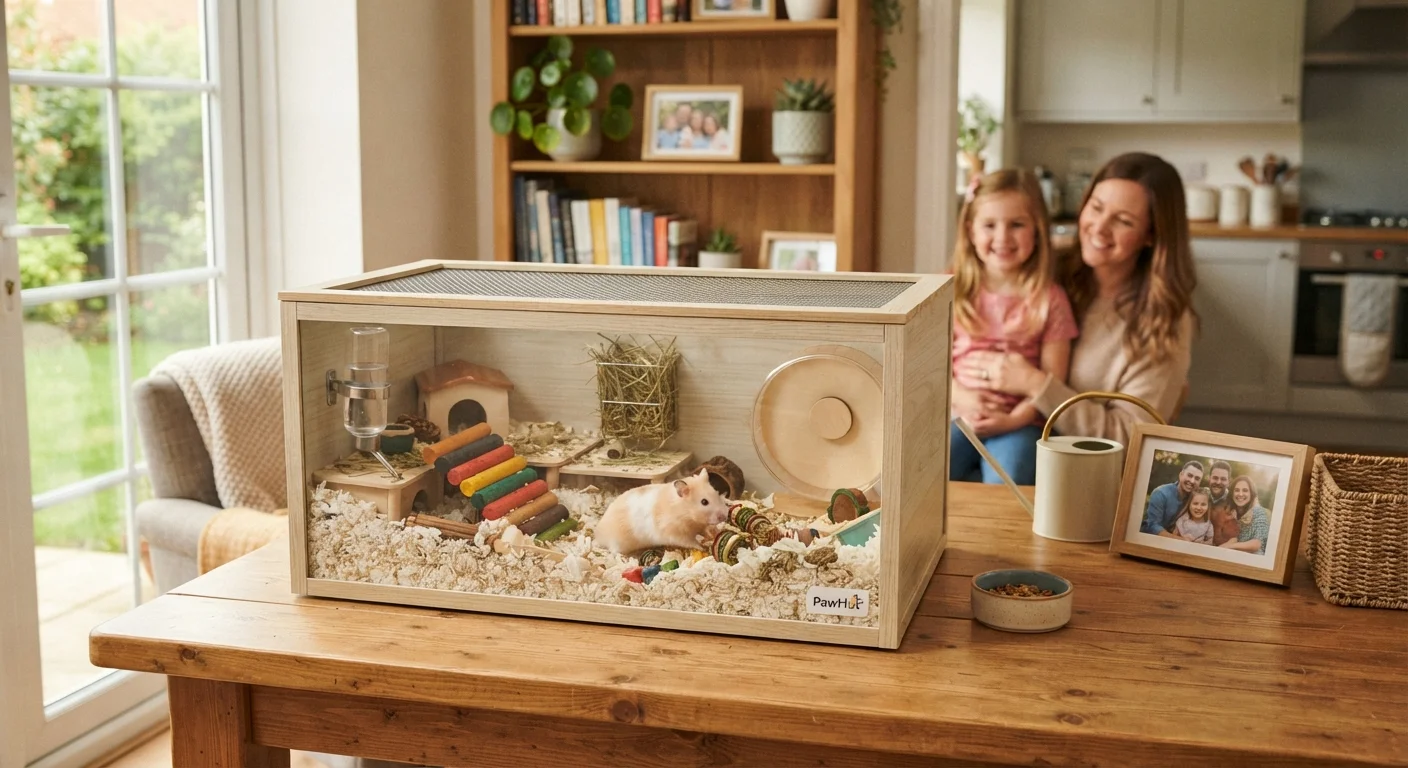
Key Takeaways
- Set up your pet's habitat fully before they arrive home - not after.
- Small pets need a quiet, low-stress environment during their first few days.
- Hands-off observation in the first 48 hours helps your pet settle in faster.
- A vet visit in the first week is strongly recommended, even if your pet seems healthy.
- Ongoing costs like bedding and enrichment add up - plan your budget early.
Summary
22 items · 30-60 minutes
Why the First Week Sets the Tone
Bringing a small pet home - whether it's a hamster, guinea pig, rabbit, gerbil, or rat - is genuinely exciting. But those first seven days are also when the most common mistakes happen. A habitat that isn't quite ready, too much handling too soon, or a noisy placement spot can all cause unnecessary stress for an animal that's already navigating a brand-new world.
The good news: small pets are resilient when their basic needs are met from day one. This checklist walks you through everything to prepare before your pet arrives and what to monitor through that critical first week. If you have young children in the household, it's also worth reading our piece on small pets and young children before bringing anyone home.
And if you're weighing the full financial picture, our guide to the hidden costs of owning a small pet is worth a read - first-time owners are often surprised by ongoing supply costs.
Don't Wait Until Arrival Day to Set Up
Many first-time owners plan to assemble the habitat on the same day they bring their pet home - and then realize mid-setup that they're missing a key piece. Your pet should go directly into a fully prepared, tested enclosure. Set everything up at least the day before pickup, fill the water bottle, add food, and do a dry run of the whole space.
Before Your Pet Arrives: What to Have Ready
Everything on the pre-arrival list should be done and in place before pickup day. Scrambling to set up a habitat with a stressed animal already in a travel carrier is one of the most avoidable mistakes new owners make. Our separate article on common cage setup errors goes deeper on habitat mistakes if you want extra detail.
Appropriately Sized Enclosure
Provides your small pet with adequate space to move, forage, and express natural behaviors.
Paper-Based Bedding
Absorbs waste, supports burrowing behavior, and is safe for most small companion animals.
Water Bottle or Bowl
Ensures constant access to fresh water - critical for hydration and overall health.
Species-Appropriate Food
Forms the nutritional foundation of your pet's diet from day one.
Hideout or Shelter
Gives your pet a safe retreat to reduce stress during the settling-in period.
Travel Carrier
Needed for transporting your pet safely to the vet or in case of emergency.
Enrichment Items (wheel, tunnel, chew toys)
Supports physical activity and mental stimulation, reducing boredom-related stress behaviors.
Small Animal Veterinarian Contact
A vet experienced with exotic or small companion animals is essential for first-week and ongoing care.
Habitat Setup
Supplies and Food
Home Safety
First-Week Monitoring
The First 48 Hours: Resist the Urge to Hover
Once your pet is home and in their habitat, the instinct is to interact constantly - especially with kids around. Resist it. Most small prey animals need 24-48 hours of quiet observation before they feel safe enough to eat normally, explore, or show their personality. Watch for eating, drinking, and normal movement rather than reaching in to handle them right away.
Place the habitat in a room where foot traffic is moderate, not a busy hallway or directly beside a TV. Keep other household pets - dogs and cats especially - away from the area until your small pet has settled. If you're also a dog owner, our puppy-proofing guide has useful overlap on creating safe zones within a shared home.
No Eating or Drinking After 24 Hours: Call a Vet
If your small pet hasn't eaten or drunk anything within 24 hours of arriving home, don't wait to see if things improve. Some small animals - rabbits and guinea pigs especially - can decline quickly when they stop eating. Contact a veterinarian who sees small animals as soon as possible. This article provides general information only and is not a substitute for professional veterinary advice.
Days 3-7: Building Routine and Booking That Vet Visit
By day three, most small pets begin showing their natural behaviors - foraging, grooming, and interacting with enrichment items. This is a good time to introduce gentle, brief handling sessions (a few minutes at a time) and to establish a consistent feeding and cleaning schedule. Predictability helps small animals feel secure.
Book a wellness visit with a veterinarian who sees exotic or small companion animals - not all general-practice vets are equally experienced with rabbits, guinea pigs, or pocket pets. The first vet visit is a chance to confirm your pet's health, ask species-specific diet questions, and establish a relationship before any urgent issue arises. Think of it as a baseline, not just a reaction to illness.
By the end of week one, you should have a habitat that's clean and well-functioning, a pet that's eating and drinking normally, and a sense of your animal's individual temperament. That foundation makes everything that follows much easier - for both of you.