

Key Takeaways
- Small pets are rarely as cheap to maintain as their purchase price suggests.
- Recurring costs like bedding, food, and enrichment add up to hundreds of dollars per year.
- Exotic small animals often require specialist vets, making unexpected care bills a real risk.
- Planning for ongoing expenses before adoption helps families avoid financial stress later.
- Despite real costs, small pets offer meaningful companionship and are manageable with a budget.
Lower space requirements than dogs or cats
Most small pets can thrive in a well-designed enclosure without needing a yard or large home, making them accessible to apartment dwellers and families in smaller spaces.
Meaningful companionship with shorter commitment
Small pets like guinea pigs and hamsters typically live 2-8 years, which can be a better fit for families who want a pet relationship without a decade-plus commitment.
No professional grooming costs for most species
Many small animals groom themselves effectively, eliminating the recurring grooming appointments that add substantially to dog ownership costs.
Predictable daily care routine
Feeding, spot-cleaning, and enrichment time for most small pets can be built into a reliable 15-30 minute daily routine, making ownership manageable for busy families.
Teach children responsibility at a manageable scale
Age-appropriate small pet care tasks - like refilling water or distributing fresh vegetables - give children real ownership of an animal's wellbeing without overwhelming responsibility.
Exotic vet visits cost more than standard appointments
Most small mammals, birds, and reptiles require an exotic animal specialist, whose fees are typically higher than those of general practice vets - and these specialists aren't available in every area.
Bedding replacement is a constant, sizeable expense
Animals that require deep, frequently changed bedding - like guinea pigs or chinchillas - can generate $150-$300 or more in annual bedding costs alone, often surprising first-time owners.
Prey animals hide illness, leading to late - and costly - diagnoses
Instinctive illness-masking means conditions are often well-advanced before owners notice them, which can translate to more intensive (and expensive) veterinary interventions.
Starter enclosures are often inadequate and need replacing
Pet store starter kits are frequently undersized for the animal's actual welfare needs, meaning many new owners face an early housing upgrade expense they didn't anticipate.
Enrichment requires regular purchasing and replacement
Chew toys, tunnels, and foraging items wear out or get consumed, and skipping replacements has real behavioral and health consequences - making them a genuine recurring cost, not optional.
Pet insurance coverage for small animals is limited
Compared to cats and dogs, insurance options for exotic small animals are fewer and may carry meaningful exclusions, leaving owners more exposed to out-of-pocket vet costs.
Our Verdict
Small pets can be genuinely rewarding companions, but they're not as low-cost as their reputation suggests. Families who go in clear-eyed about recurring expenses - bedding, enrichment, quality food, and vet care - are far better positioned to give their animals a good life without financial strain. The costs are real and ongoing, but with honest budgeting they're very manageable.
Best for families or individuals who have researched species-specific needs, set aside a monthly pet budget, and have access to an exotic-animal vet in their area.
Why Small Pets Aren't Automatically Cheap
A hamster or guinea pig from a pet store might cost very little upfront, but that initial price tag is often the smallest expense you'll face. The "small pet = low cost" assumption catches a lot of first-time owners off guard, and it's one of the more persistent myths around compact companion animals. As we cover in Small Pet Myths That Could Accidentally Harm Your Animal, underestimating care requirements can lead to real problems - financial and otherwise.
Before you bring an animal home, it's worth mapping out not just what you'll spend on day one, but what you'll spend every single month. That honest accounting changes the picture considerably.
Lower space requirements than dogs or cats
Most small pets can thrive in a well-designed enclosure without needing a yard or large home, making them accessible to apartment dwellers and families in smaller spaces.
Meaningful companionship with shorter commitment
Small pets like guinea pigs and hamsters typically live 2-8 years, which can be a better fit for families who want a pet relationship without a decade-plus commitment.
No professional grooming costs for most species
Many small animals groom themselves effectively, eliminating the recurring grooming appointments that add substantially to dog ownership costs.
Predictable daily care routine
Feeding, spot-cleaning, and enrichment time for most small pets can be built into a reliable 15-30 minute daily routine, making ownership manageable for busy families.
Teach children responsibility at a manageable scale
Age-appropriate small pet care tasks - like refilling water or distributing fresh vegetables - give children real ownership of an animal's wellbeing without overwhelming responsibility.
The Recurring Costs That Surprise Most Owners
Unlike a one-time purchase, small pet ownership comes with a steady stream of expenses that don't stop. Bedding is a prime example: small animals like rabbits, guinea pigs, and hamsters need fresh bedding regularly - often weekly - and quality paper or paper-pulp bedding is not cheap in volume. For a larger enclosure, annual bedding costs can easily reach $150-$300 depending on species and frequency.
Food is another underestimated line item. Species-appropriate pellets, fresh hay (essential for rabbits and guinea pigs), and fresh vegetables all add up. Our feeding reference for small pets breaks down what each animal actually needs - and some of those diets are more involved than people expect.
Enrichment - wheels, tunnels, chews, foraging toys - also needs ongoing replacement. These aren't luxuries; they're essential for behavioral and mental health. A well-enriched environment helps prevent stress behaviors and illness.
$200-$700+
Estimated first-year cost for a guinea pig
According to general veterinary and pet care educators, first-year costs for guinea pigs - including enclosure, food, bedding, and an initial vet visit - commonly fall in this range, with ongoing annual costs of $200-$400 thereafter.
~52%
US households that own at least one pet
The American Pet Products Association's regular industry surveys consistently find that more than half of US households include a pet, underscoring how widespread the budgeting challenge is.
$150-$300
Annual bedding cost for a single guinea pig
Veterinary and small animal welfare organizations note that guinea pigs requiring full weekly cage cleans with quality paper bedding generate this level of annual bedding expense on average.
Veterinary Care: The Biggest Wildcard
This is where small pet budgets most often break down. Many small animals - rabbits, guinea pigs, chinchillas, birds, and others - are classified as "exotic" animals by veterinary practices, meaning they require a specialist, not a general dog-and-cat vet. Exotic vet visits typically cost more than standard appointments, and not every area has an accessible exotic animal practice.
Worse, small animals are prey species that instinctively hide signs of illness. By the time symptoms are obvious, conditions may already be advanced - and treatment costs can rise accordingly. Our guide on recognizing when your small pet may be sick can help you catch problems earlier, but it doesn't eliminate the cost of care.
Pet insurance is available for some small animals, though coverage and availability vary significantly. Building an emergency fund specifically for your pet - even $15-20 a month set aside - is a practical alternative many families find useful.
Exotic vet visits cost more than standard appointments
Most small mammals, birds, and reptiles require an exotic animal specialist, whose fees are typically higher than those of general practice vets - and these specialists aren't available in every area.
Bedding replacement is a constant, sizeable expense
Animals that require deep, frequently changed bedding - like guinea pigs or chinchillas - can generate $150-$300 or more in annual bedding costs alone, often surprising first-time owners.
Prey animals hide illness, leading to late - and costly - diagnoses
Instinctive illness-masking means conditions are often well-advanced before owners notice them, which can translate to more intensive (and expensive) veterinary interventions.
Starter enclosures are often inadequate and need replacing
Pet store starter kits are frequently undersized for the animal's actual welfare needs, meaning many new owners face an early housing upgrade expense they didn't anticipate.
Enrichment requires regular purchasing and replacement
Chew toys, tunnels, and foraging items wear out or get consumed, and skipping replacements has real behavioral and health consequences - making them a genuine recurring cost, not optional.
Pet insurance coverage for small animals is limited
Compared to cats and dogs, insurance options for exotic small animals are fewer and may carry meaningful exclusions, leaving owners more exposed to out-of-pocket vet costs.
Housing: A One-Time Cost That's Often Underbudgeted
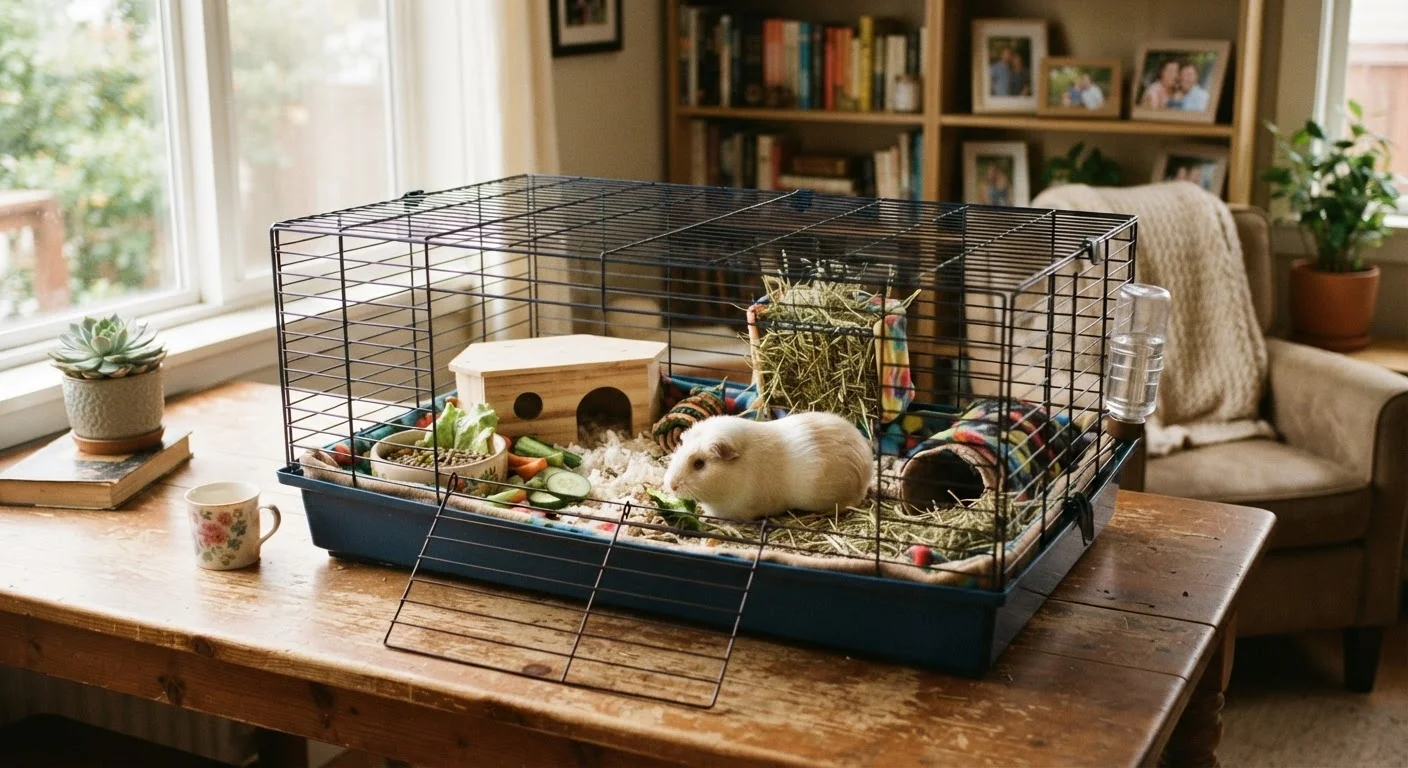
Enclosures sold alongside small animals in pet stores are frequently too small for the animal's actual needs. A rabbit or guinea pig needs significantly more space than the "starter kits" typically suggest. Upgrading to appropriate housing - or building a DIY enclosure - often becomes an early, unexpected cost for new owners.
Our article on why your small pet's cage setup may be working against them explains why undersized or poorly designed enclosures affect both health and behavior. Getting the habitat right the first time is genuinely cost-effective in the long run, even if the upfront investment is higher.
If you're still deciding between species, comparing guinea pigs and rabbits covers housing requirements side by side, which makes it easier to budget accurately before you commit.
Species Choice Significantly Affects Total Cost
Different small animals have meaningfully different cost profiles. Rabbits, for example, generally need more space, more hay, and more regular vet attention than hamsters. Birds can require highly specialized diets and avian-specialist vets. Before choosing a species, research its specific care requirements and factor those into your budget - don't assume all small pets cost roughly the same to keep.
Budgeting Smartly Before You Adopt
The good news is that most of these costs are predictable. A little research before adoption - rather than after - puts families in a much stronger position. Use resources like our first-week checklist for new small pet owners to identify every supply you'll need upfront, and price them out honestly.
Think about building a simple monthly budget that includes bedding, food, enrichment, and a vet fund contribution. This approach - similar to how smart households approach any recurring expense - turns "surprise" bills into planned line items. The Smart Budgeting hub has practical frameworks for exactly this kind of household cost planning.
Small pets can be wonderful companions for families, including those with younger children - though matching the animal to the household matters, as we explore in small pets and young children. With realistic expectations and a clear-eyed budget, the joy these animals bring is well worth the investment.